Laboratory Outsourcing: Benefits, Trade-Offs, and Regulatory Expectations
Why companies send testing and research to contract labs, and what FDA, EU, and ISO rules expect of both sides
Advertisement
Why companies send testing and research to contract labs, and what FDA, EU, and ISO rules expect of both sides
Advertisement

Learn how moisture content testing protects product quality in food, pharma, and agriculture. Explore all major methods, ASTM/ISO standards, and how to find a certified contract lab

Learn the phases, STAT vs. routine benchmarks, what affects TAT in contract testing, and how to specify TAT requirements when outsourcing lab work

A complete guide to the different types of chromatography — GC, HPLC, LC-MS, TLC, SEC, affinity, ion exchange, SFC, and more. Learn the principles, applications, and how to choose the right method for your lab.

Simplicity, reliability, and an ability to guide antimicrobial therapy make it an essential technique for both clinical and research laboratories.
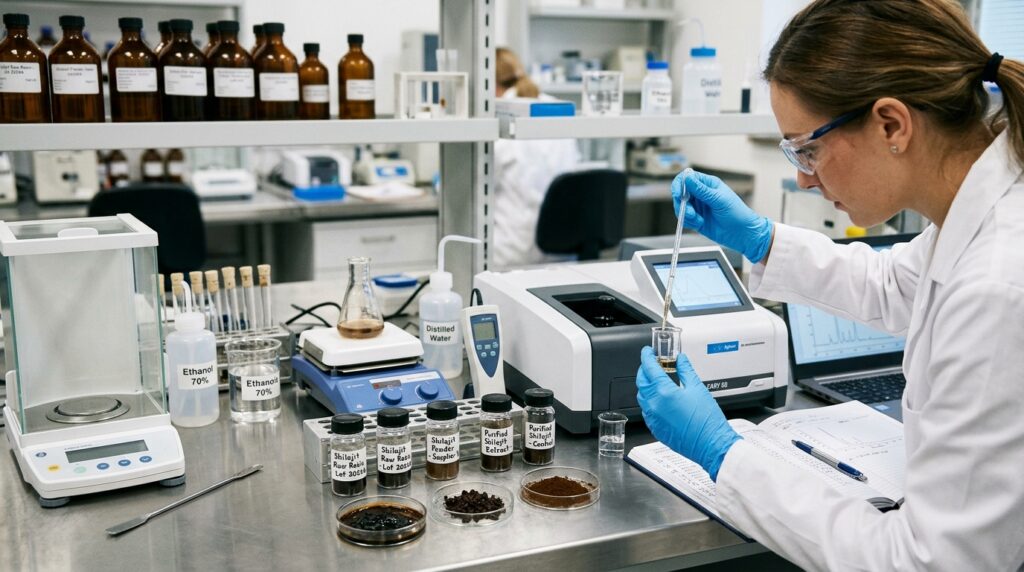
Discover the critical role of Shilajit purity testing in safeguarding consumer health, enhancing product credibility, and navigating global regulatory landscapes.
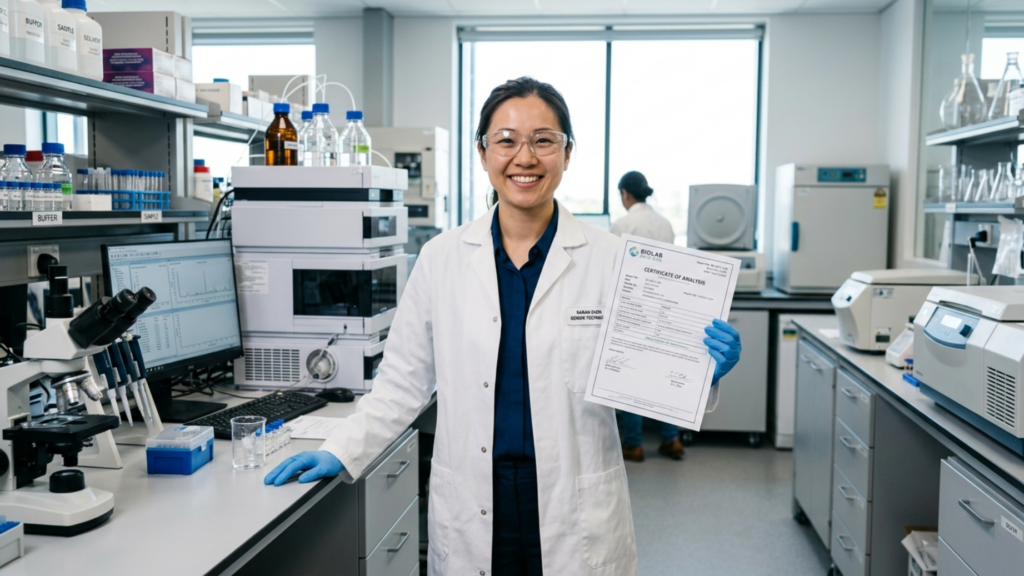
A Certificate of Analysis is an essential document in maintaining the quality and safety of products across numerous industries.
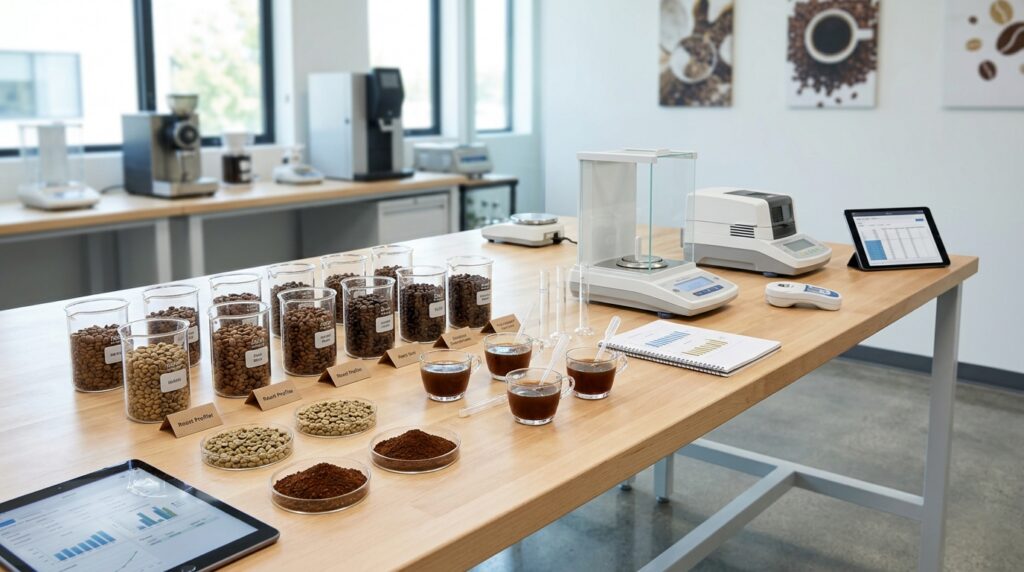
From farm to cup, rigorous coffee testing ensures every brew delivers on quality, flavor, and safety—protecting both consumer satisfaction and industry standards.
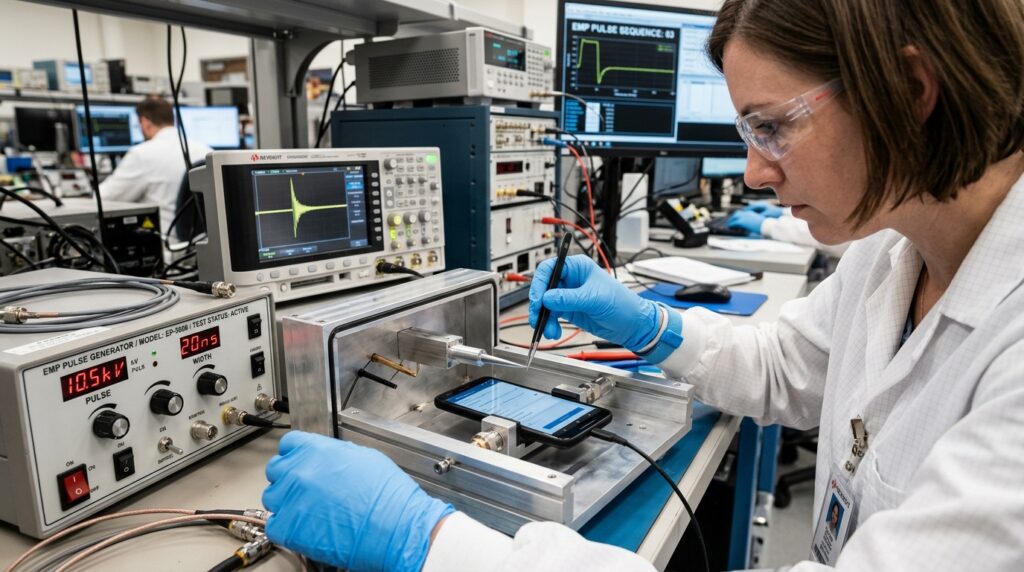
Laboratories are needed to test RF and EMF emissions for a variety of products ranging from cellphones to power lines.
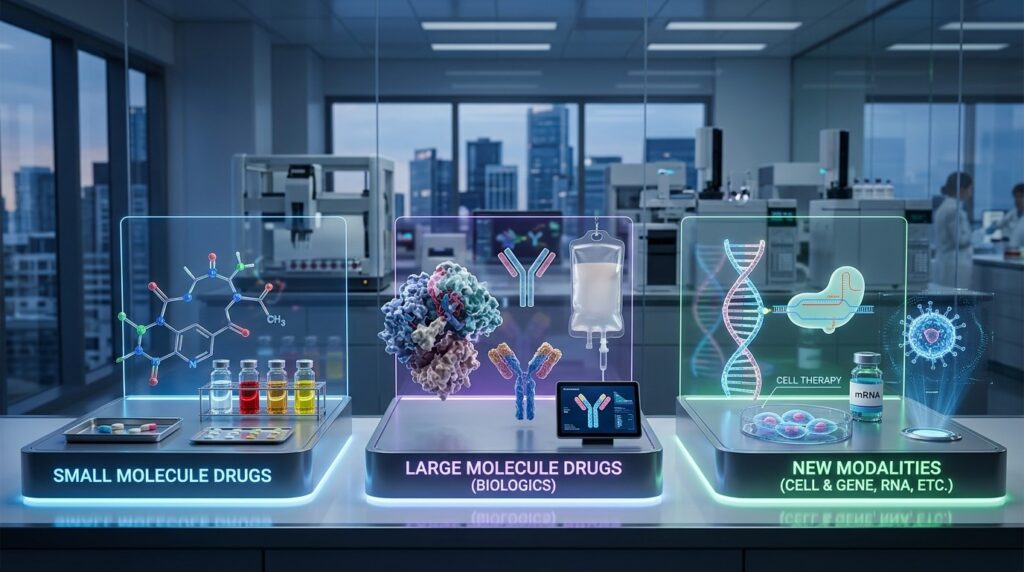
Researchers, developers, and manufacturers should be able to leverage the unique advantages of both small and large molecule approaches to address unmet medical needs
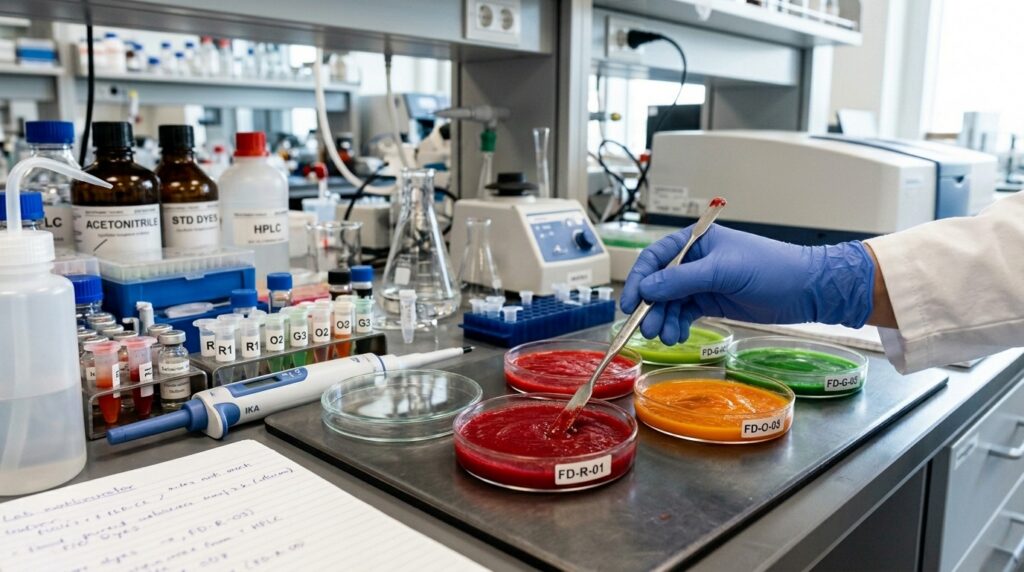
Food color testing ensures that products meet safety standards, maintain quality, and appeal to consumers.
Advertisement
Advertisement