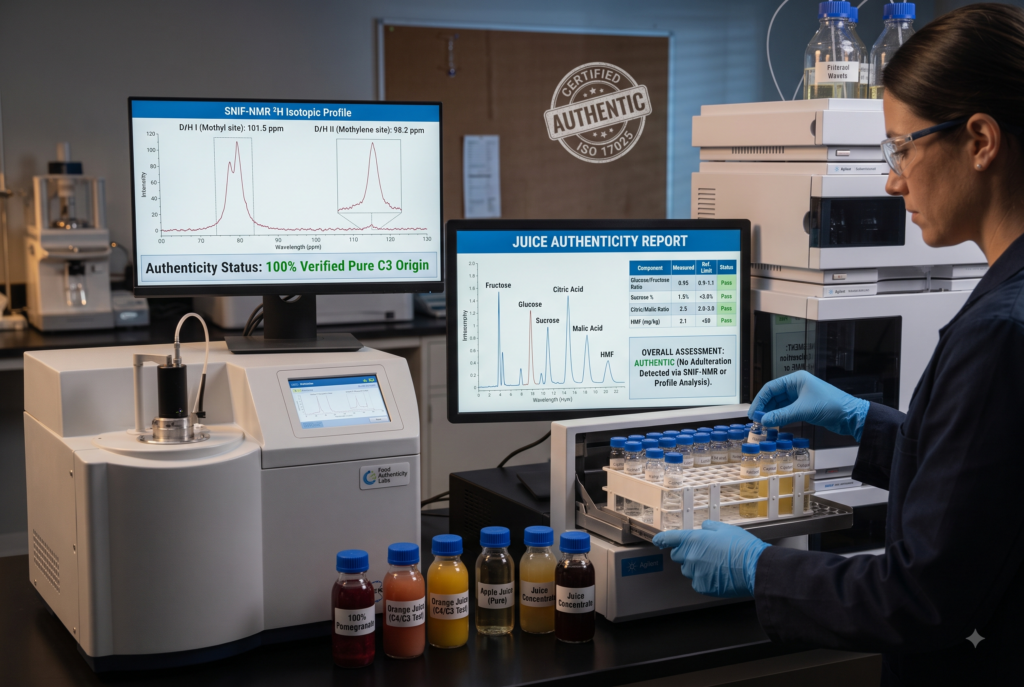
Why Vegan, Plant-Based Food Demands Strict Laboratory Testing
Learn about the essential chemistry and microbiology tests required to bring complex plant-based meat and dairy formulations safely to market
Advertisement
Learn about the essential chemistry and microbiology tests required to bring complex plant-based meat and dairy formulations safely to market
Advertisement

Join us and Thermo Fisher's Suja Sukumaran, PhD, to know how FTIR spectroscopy supports material identification, product testing, and regulatory compliance across industries
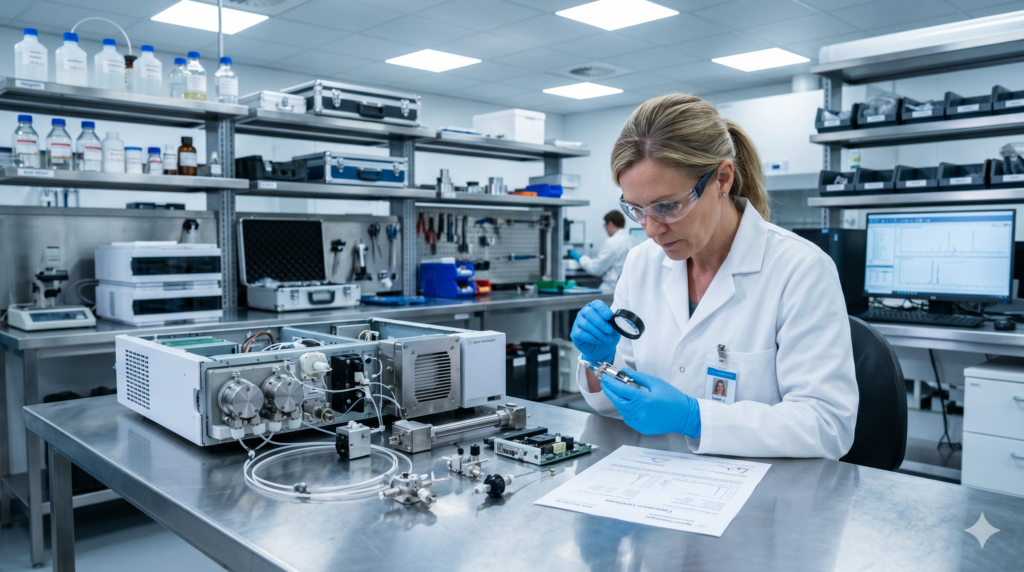
How to test, certify, and compliantly dispose of surplus laboratory assets — covering safety verification, regulatory requirements, and sustainable disposition
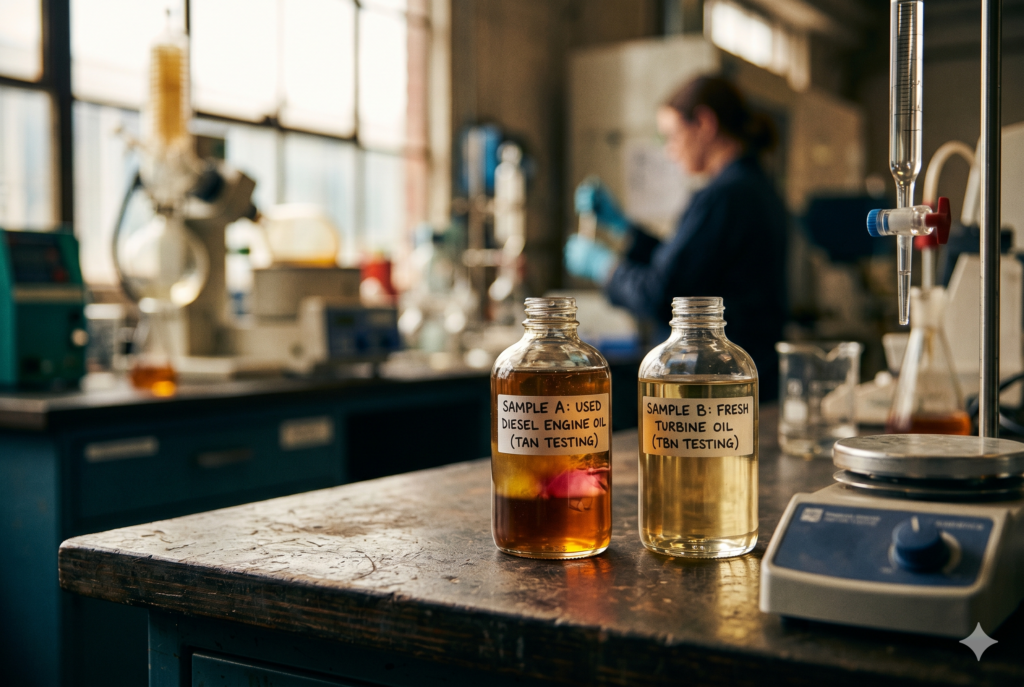
Regular TAN and TBN testing provide valuable insights into the condition of lubricating oils, allowing operators to take proactive measures to maintain equipment reliability
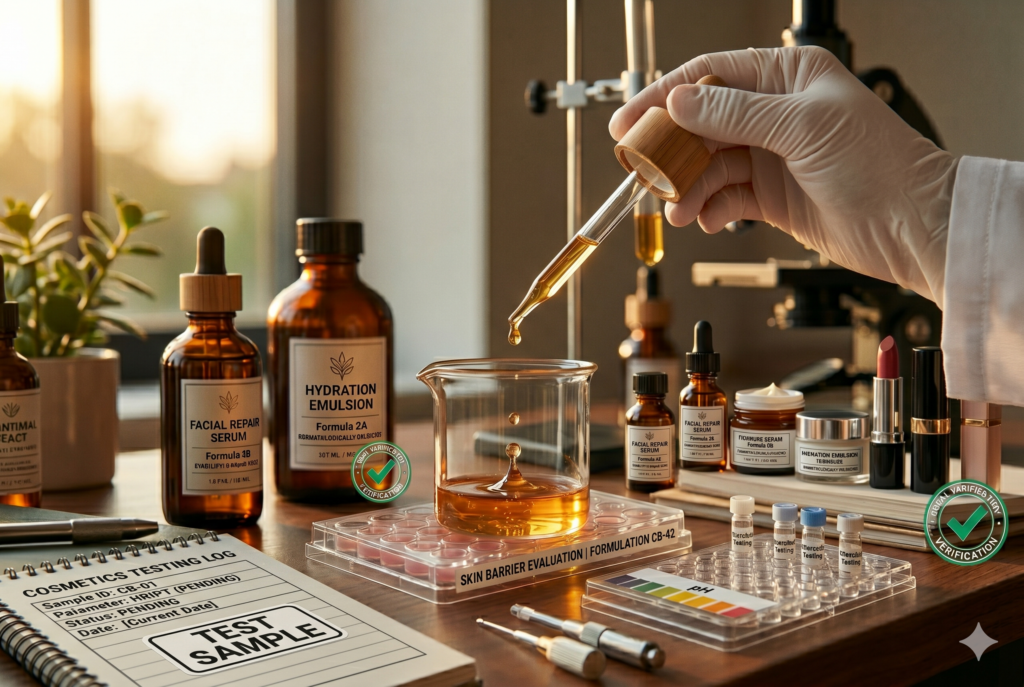
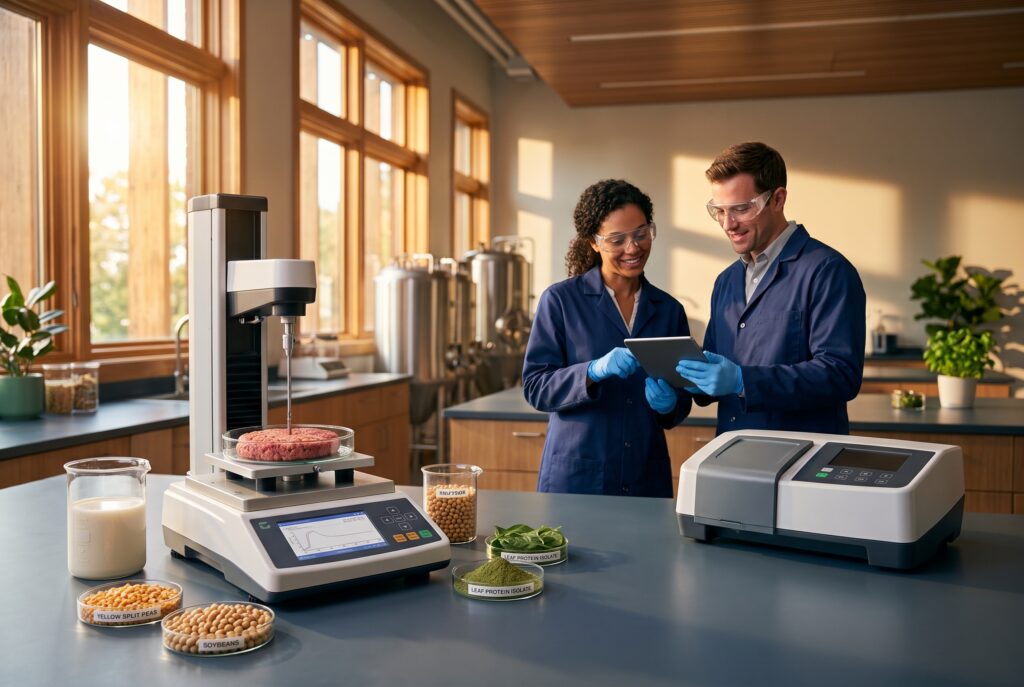
From stability testing and microbiological assessments to allergen and performance evaluations, these tests provide critical data for managing product quality and regulatory compliance.
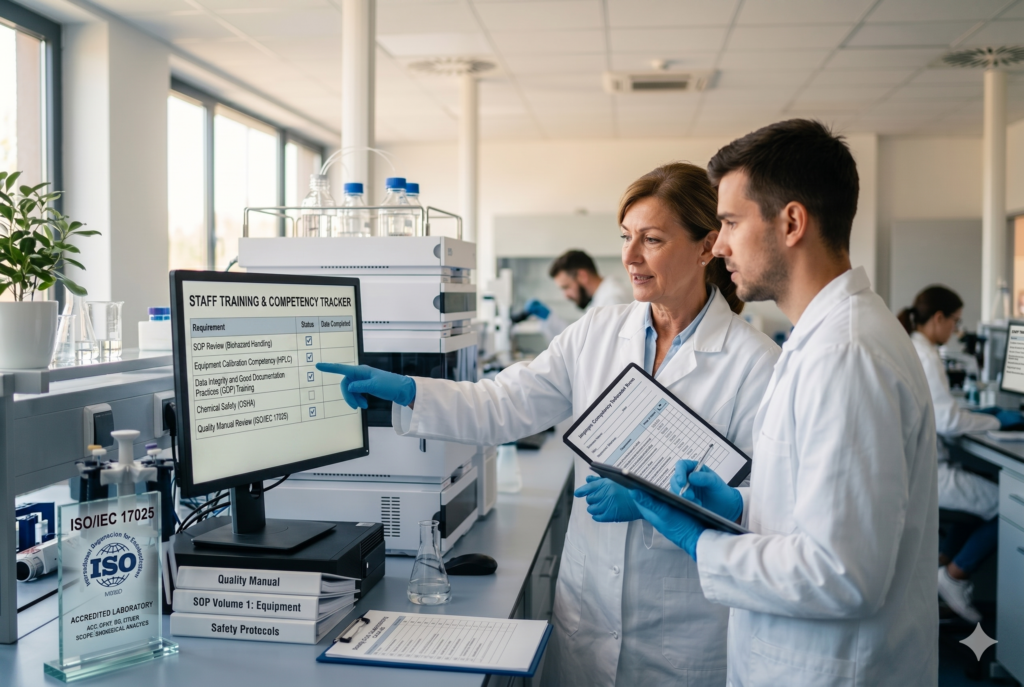
Labs that invest in junior and mid-level staff build broader organizational competency, reducing dependence on specific individuals

With global supply chains expanding for repurposed anthelmintic APIs, robust third-party testing is essential to verify compound identity, ensure potency, and maintain strict regulatory compliance

Understand the technical distinctions between IEEE, IEC, and UL frameworks, and explore the exact methods labs use to validate hardware
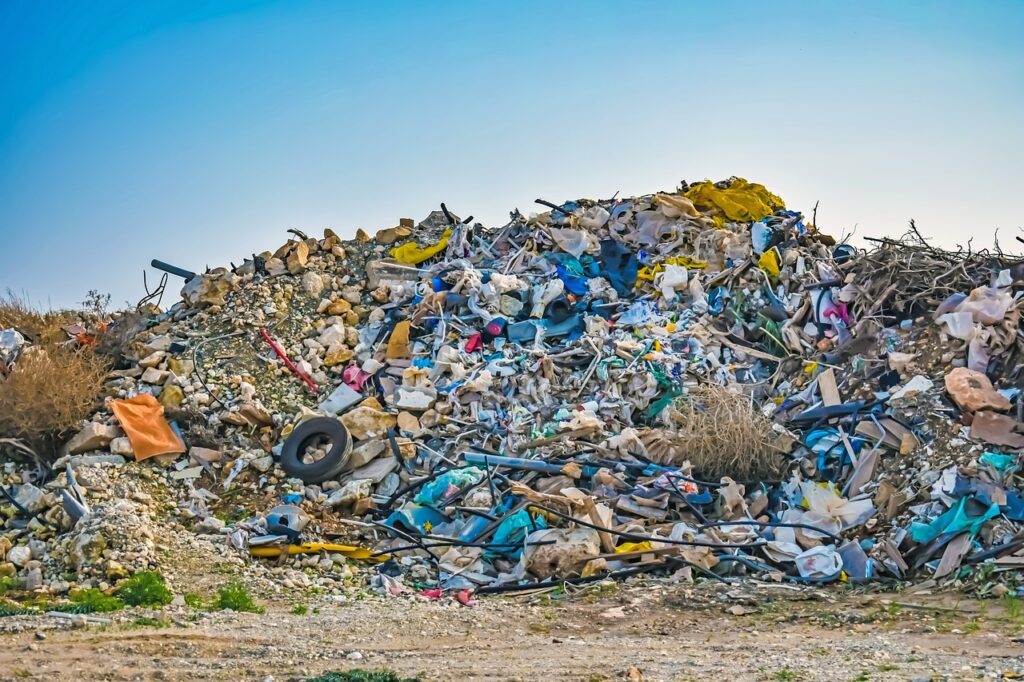
Managing landfill contamination requires regular monitoring and testing
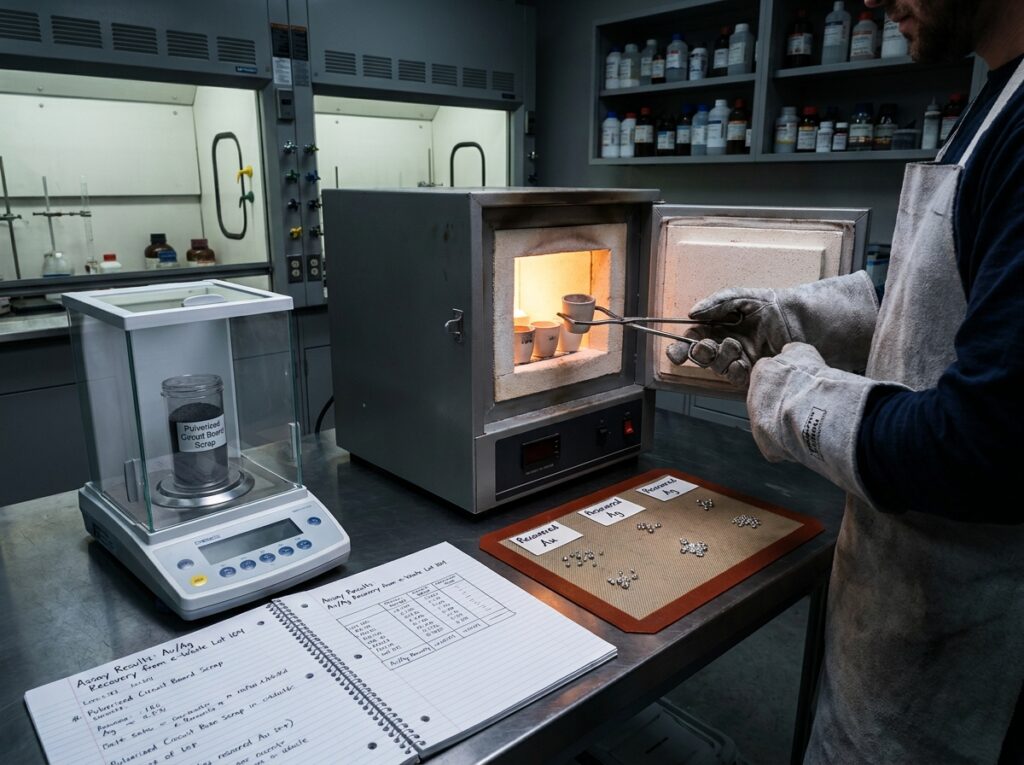
Unverified secondary metals carry significant contamination risks. Analytical testing can help certify scrap and e-waste for the supply chain

Understanding the differences between these pollutants is crucial for developing targeted strategies to protect both the environment and human health
Advertisement
Advertisement