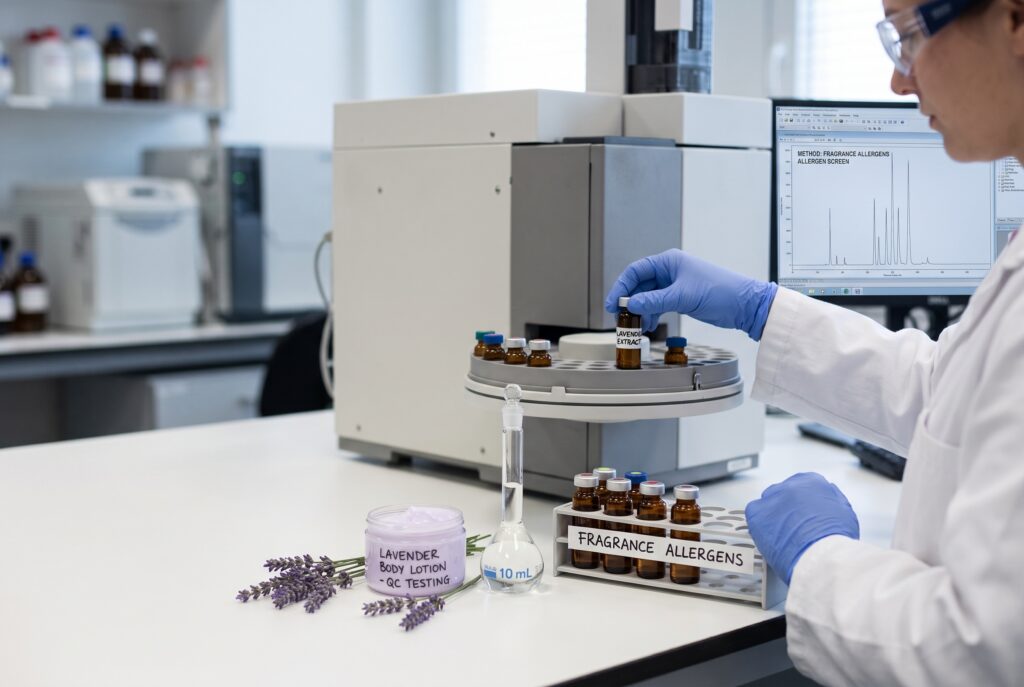
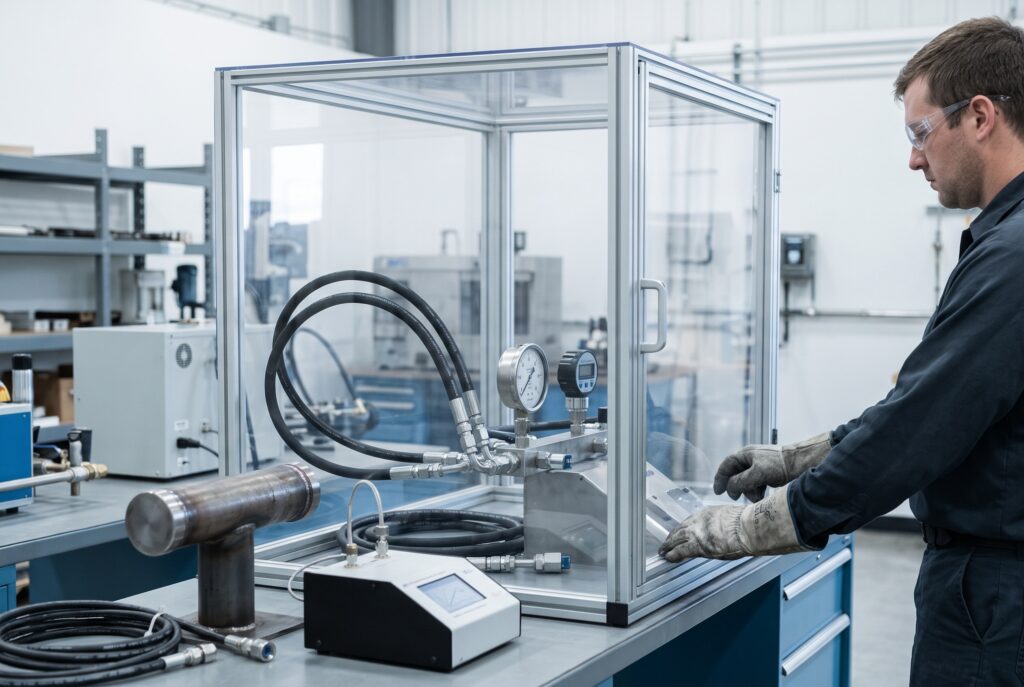
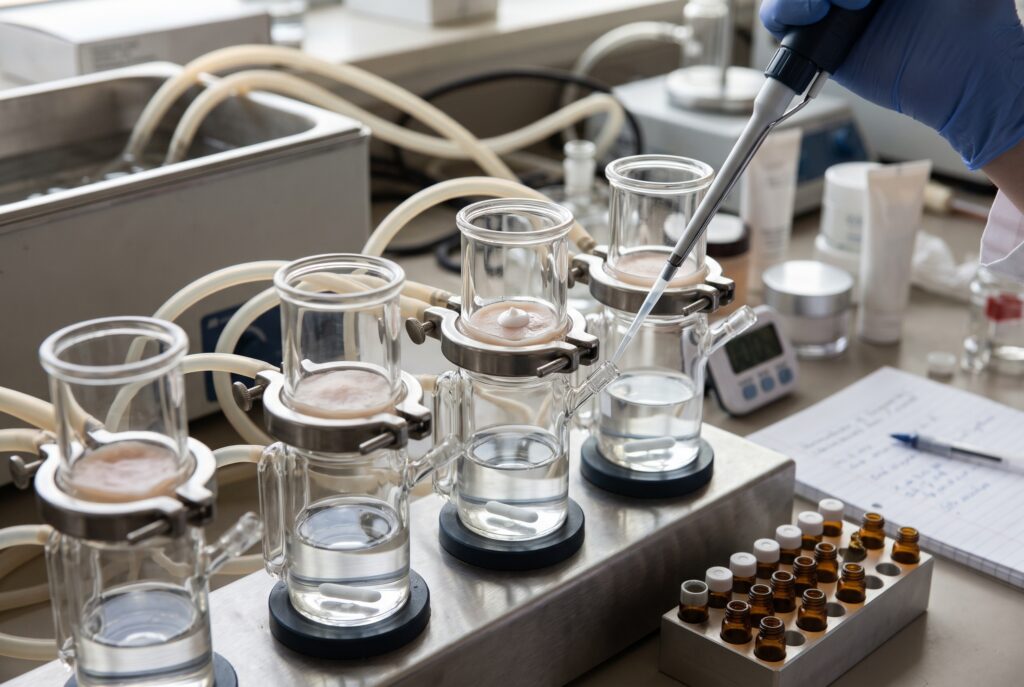
Laboratory Outsourcing: Benefits, Trade-Offs, and Regulatory Expectations
Why companies send testing and research to contract labs, and what FDA, EU, and ISO rules expect of both sides
Advertisement
Why companies send testing and research to contract labs, and what FDA, EU, and ISO rules expect of both sides
Advertisement
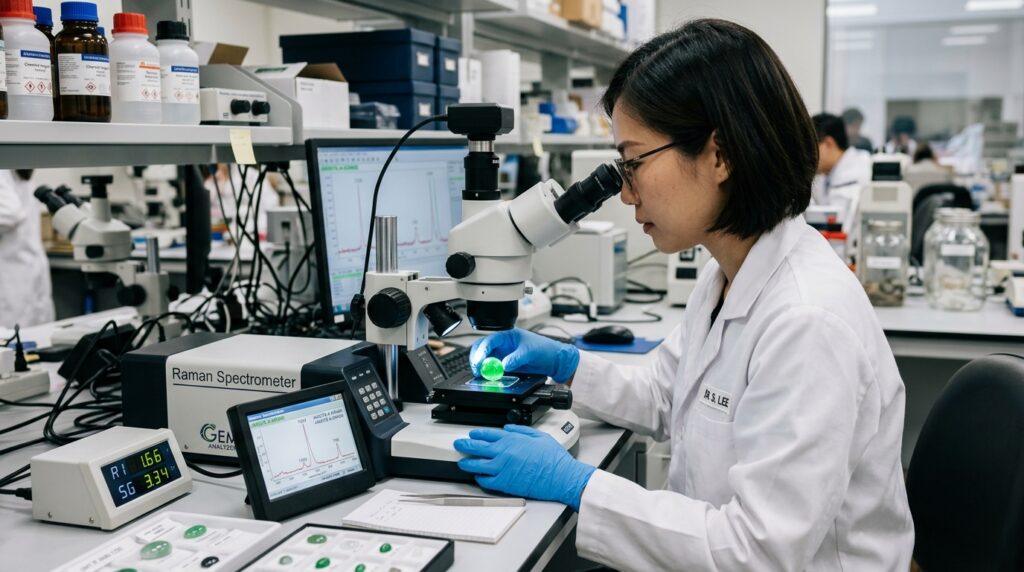
Jade is one of the most valuable gemstones in the world, cherished for its beauty and cultural significance. This article explores the importance of jade testing and certification, different testing methods, and what buyers should look for to ensure the authenticity and quality of jade
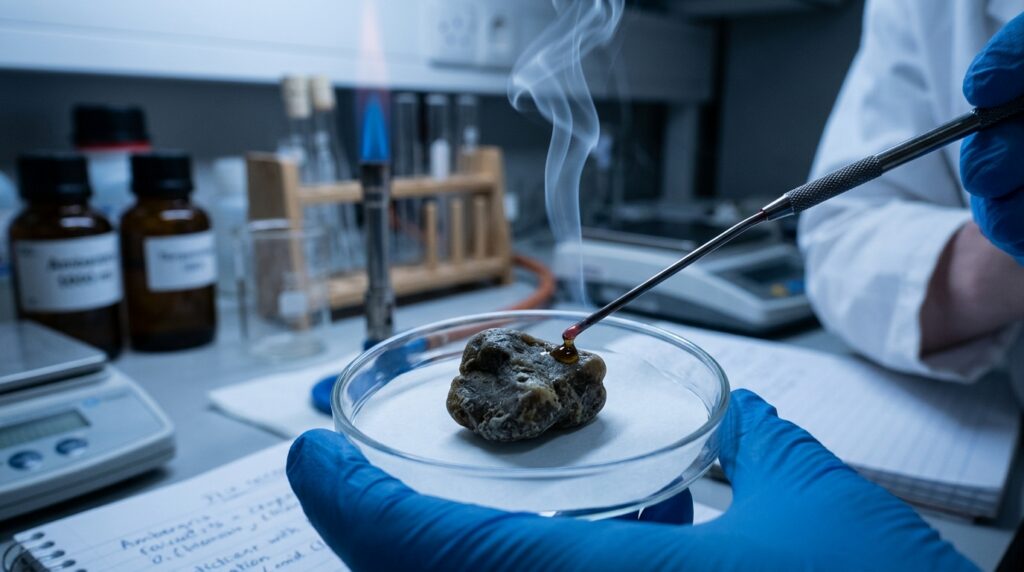
For perfume manufacturers, investing in ambergris testing is not just about meeting regulatory requirements—it's about maintaining product integrity, preventing fraud, and building consumer trust
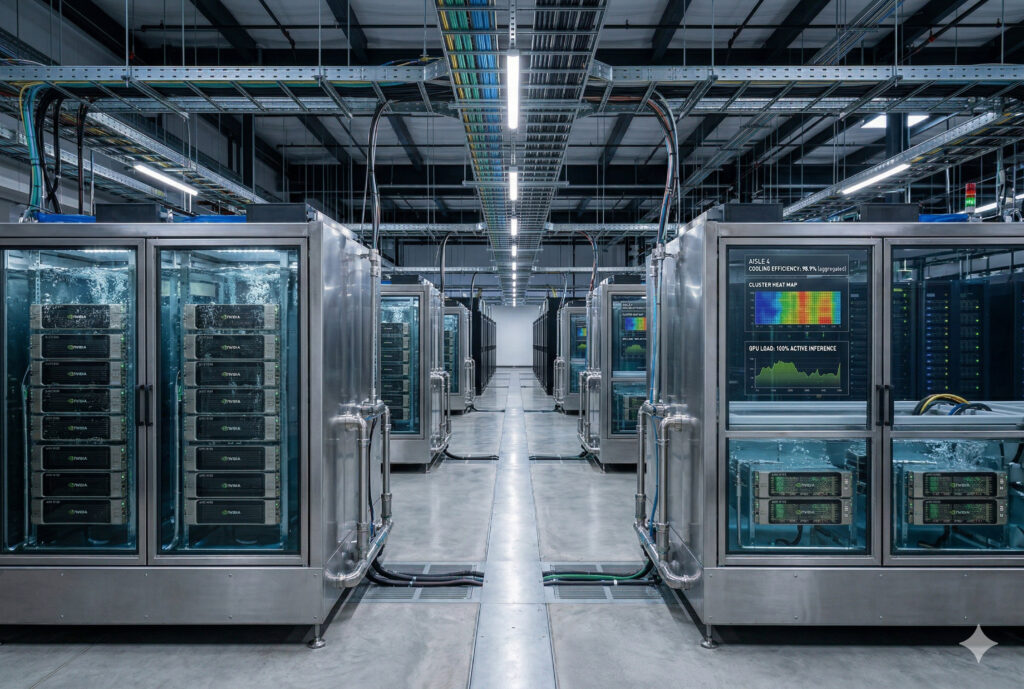
Discover the critical laboratory tests hyperscalers and immersion fluid manufacturers use to certify dielectric coolants for AI data centers

Prevent costly recalls and verify product authenticity with rigorous edible oil testing. Explore the essential analytical methods used to detect lipid oxidation and trace contaminants

NGS is standard practice, but infrastructure is costly. Here is why life science firms outsource it to accredited testing labs

While BART has some limitations, its benefits make it a valuable addition to water management and environmental testing industry

What are the exact testing protocols compounding pharmacies need to confidently release weight-loss injectables? How to find the right contract lab to run them?
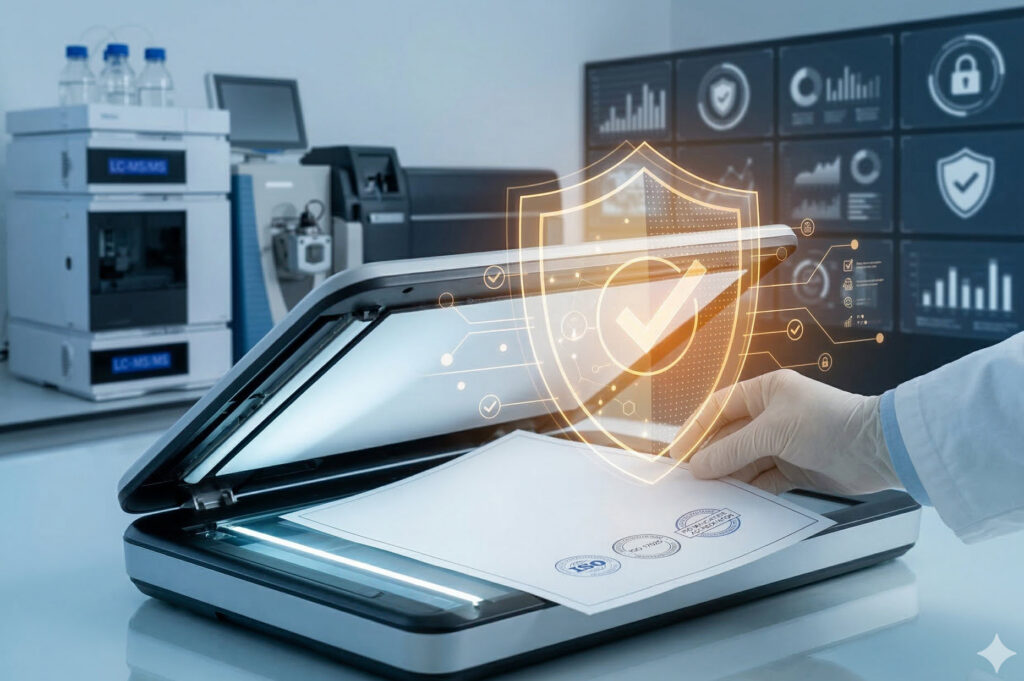
Integrating third-party laboratory testing into procurement process transforms unknown supply chain risks into defensible, data-backed certainty

From simple reagent kits to advanced techniques like GC-MS and HPLC, a range of methods are available to suit different needs and circumstances.

Here's an overview of the innovations transforming concrete into a sustainable material and the rigorous laboratory testing required to validate performance and durability
Advertisement
Advertisement