
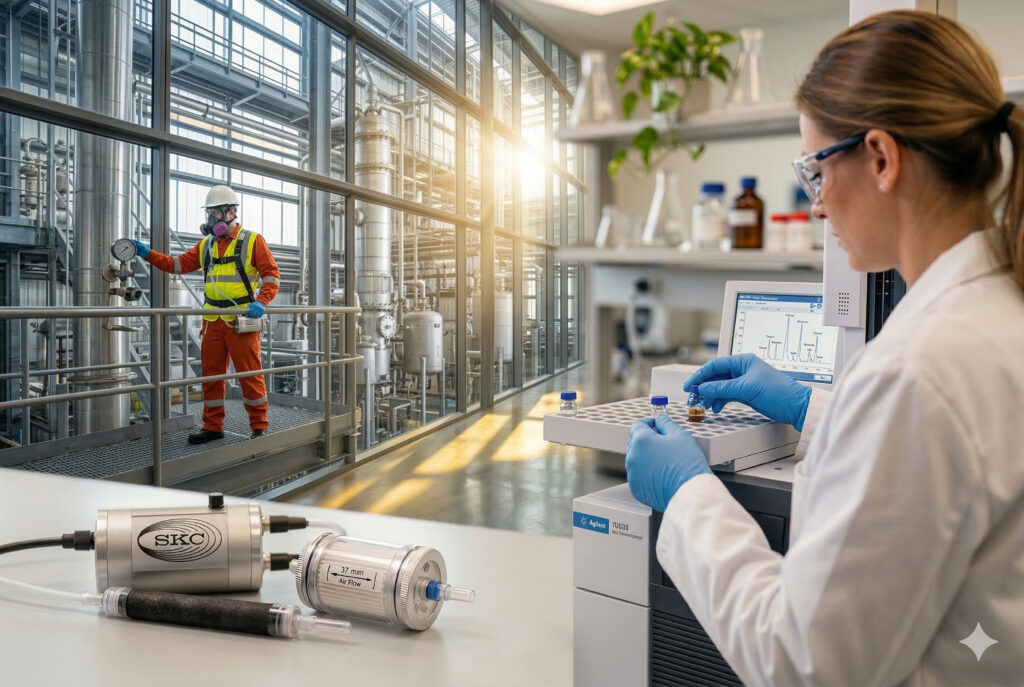
The National Institute for Occupational Safety and Health (NIOSH) plays a critical role in ensuring the health and safety of workers across various industries. One of the key contributions of NIOSH is the development of analytical methods for testing and analyzing chemical, biological, and physical hazards in the workplace. These NIOSH analytical methods are essential for monitoring exposure levels, assessing risks, and ensuring compliance with occupational safety regulations. This article explores the importance of NIOSH analytical methods, the types of testing and analysis they cover, and how they contribute to workplace safety.
What Are NIOSH Analytical Methods?
NIOSH analytical methods are standardized procedures used to detect and quantify hazardous substances in workplace environments. These methods are designed to accurately measure the concentration of chemicals, particulates, gases, vapors, and other potentially harmful agents in air, water, and other samples. The methods are widely used by industrial hygienists, safety professionals, and laboratories to evaluate occupational exposures and ensure that they fall within safe limits.
Importance of NIOSH Methods and Testing
- Worker Safety: NIOSH analytical methods are crucial for protecting workers from exposure to hazardous substances. For example, in a manufacturing facility, NIOSH methods might be used to monitor airborne levels of volatile organic compounds (VOCs) to prevent respiratory illnesses among workers. By accurately measuring airborne contaminants and other occupational hazards, employers can implement controls to minimize risks and ensure a safe working environment.
- Regulatory Compliance: Compliance with occupational safety regulations, such as those set by the Occupational Safety and Health Administration (OSHA), often requires the use of NIOSH-approved analytical methods. For instance, a chemical plant may use NIOSH methods to test for benzene exposure, ensuring compliance with OSHA’s permissible exposure limits (PELs). These methods ensure that exposure assessments are accurate and meet regulatory standards.
- Accurate Exposure Assessment: NIOSH methods provide precise and reliable data on exposure levels, allowing safety professionals to make informed decisions about necessary protective measures. In a construction site, for example, NIOSH methods could be employed to measure silica dust levels, helping to prevent conditions like silicosis. Accurate exposure assessment is key to preventing occupational diseases and injuries.
- Research and Development: NIOSH analytical methods are not only used for routine monitoring but also for research and development. Researchers might use NIOSH methods to analyze the effects of prolonged exposure to certain chemicals, contributing to the development of safer industrial processes. These methods help scientists study the health effects of various substances and develop new safety guidelines and technologies.
- Validation and Standardization: NIOSH methods are rigorously validated and standardized, ensuring consistency and reliability across different laboratories and industries. For example, a network of laboratories might use the same NIOSH method to monitor lead exposure in different regions, providing comparable data for regulatory bodies. This standardization is crucial for comparing data and making industry-wide safety decisions.
Types of NIOSH Analytical Methods
NIOSH analytical methods cover a broad spectrum of hazards, including chemical, biological, and physical agents. Some of the key categories include:
- Airborne Contaminants: NIOSH provides methods for sampling and analyzing airborne contaminants, including gases, vapors, dust, fumes, and fibers. For example, Method 6009 is used for the analysis of formaldehyde in workplace air, helping to prevent respiratory and other health issues. These methods are used to assess inhalation risks in various industrial settings.
- Biological Monitoring: NIOSH methods also include procedures for biological monitoring, which involves analyzing biological samples (such as blood, urine, or tissue) to assess exposure to hazardous substances. For instance, Method 8003 is used for the determination of lead in blood, a critical test for workers in industries like battery manufacturing or construction.
- Surface and Bulk Sampling: These methods are used to analyze hazardous substances on surfaces and in bulk materials, such as dust or debris. Method 9102, for example, is used for the analysis of asbestos in bulk materials, ensuring safe handling and disposal practices. This type of sampling is important for assessing contamination in work environments.
- Noise and Radiation: NIOSH also provides methods for assessing non-chemical hazards, such as noise and ionizing radiation. Method 7400, for instance, is used for the analysis of airborne fibers, including asbestos, which can cause lung cancer and other serious health issues. These methods help protect workers from hearing loss, radiation sickness, and other physical hazards.
Challenges in NIOSH Analytical Methods Testing
While NIOSH analytical methods are essential for workplace safety, they also present certain challenges:
- Complexity of Methods: Some NIOSH methods require specialized equipment and expertise, making them difficult to implement for companies with limited resources. For example, a small business might struggle to implement complex methods like gas chromatography-mass spectrometry (GC-MS) without access to specialized equipment and trained personnel. Ensuring accurate results can be challenging without proper training and equipment.
- Sample Collection and Handling: Proper sample collection and handling are critical for accurate results. Inconsistent air sampling techniques, for instance, can result in inaccurate measurements of volatile organic compounds (VOCs), potentially underestimating exposure risks. Improper techniques can lead to contamination, loss of analytes, or other errors that compromise the validity of the test.
- Cost and Time: NIOSH methods can be time-consuming and costly, particularly for small or medium-sized enterprises (SMEs). Regular testing for hazardous substances in a large manufacturing facility, for example, can incur significant costs, especially if advanced analytical methods are required. Balancing the need for thorough testing with budget constraints is a common challenge.
- Regulatory Changes: As regulations and occupational exposure limits evolve, NIOSH methods must be updated to reflect new standards. A company may need to revise its testing protocols, for instance, if new regulations lower the permissible exposure limits (PELs) for a specific chemical. Keeping up with these changes can be challenging for businesses that rely on outdated methods.
How Contract Laboratory Can Assist with NIOSH Analytical Methods Testing
Contract Laboratory is a global platform that connects businesses with accredited laboratories specializing in NIOSH analytical methods. Whether you need routine testing, exposure assessments, or research support, Contract Laboratory can help you find the right testing partner.
Services Offered by Contract Laboratory:
- Extensive Laboratory Network: Access a global network of laboratories with expertise in NIOSH methods, ensuring accurate and reliable results for your occupational safety needs.
- Customized Testing Solutions: Receive tailored testing services to match your specific workplace hazards, from chemical exposure to noise and radiation monitoring.
- Expert Consultation: Get guidance on selecting the appropriate NIOSH methods for your industry, ensuring compliance with regulatory standards and protecting worker health.
Conclusion
NIOSH analytical methods are vital tools for ensuring occupational safety and health. By providing accurate exposure assessments, supporting regulatory compliance, and advancing research, these methods contribute significantly to protecting workers across various industries. Contract Laboratory offers valuable resources to help businesses implement NIOSH methods effectively, ensuring that their workplaces are safe, compliant, and equipped to handle occupational hazards.
If your company needs a laboratory for NIOSH testing and analysis, submit a lab request for free and get quotes from expert labs right away!
Below is a list and links to NIOSH Analytical Methods for quick reference
| Method No. | NIOSH Method Name |
|---|---|
0500  | PARTICULATES NOT OTHERWISE REGULATED, TOTAL 0500 |
| 0501 | PARTICULATES NOT OTHERWISE REGULATED, TOTAL 0501 |
| 0600 | PARTICULATES NOT OTHERWISE REGULATED, RESPIRABLE 0600 |
| 0800 | BIOAEROSOL SAMPLING (Indoor Air) |
| 0900 | MYCOBACTERIUM TUBERCULOSIS, AIRBORNE |
| 1000 | ALLYL CHLORIDE 1000 |
| 1001 | METHYL CHLORIDE 1001 |
| 1002 | b-CHLOROPRENE 1002 |
| 1003 | HYDROCARBONS, HALOGENATED 1003 |
| 1004 | DICHLOROETHYL ETHER 1004 |
| 1005 | METHYLENE CHLORIDE 1005 |
| 1006 | FLUOROTRICHLOROMETHANE 1006 |
| 1007 | VINYL CHLORIDE 1007 |
| 1008 | ETHYLENE DIBROMIDE 1008 |
| 1009 | VINYL BROMIDE 1009 |
| 1010 | EPICHLOROHYDRIN 1010 |
| 1011 | ETHYL BROMIDE 1011 |
| 1012 | DIFLUORODIBROMOMETHANE 1012 |
| 1013 | PROPYLENE DICHLORIDE 1013 |
| 1014 | METHYL IODIDE 1014 |
| 1015 | VINYLIDENE CHLORIDE 1015 |
| 1016 | (1) 1,1,1,2-TETRACHLORO-2,2-DIFLUOROETHANE and 1016 (2) 1,1,2,2-TETRACHLORO-1,2-DIFLUOROETHANE |
| 1017 | TRIFLUOROBROMOMETHANE 1017 |
| 1018-1 | CHLORODIFLUOROMETHANE, See DICHLORODIFLUOROMETHANE (Method 1018) |
| 1018-2 | DICHLORODIFLUOROMETHANE 1018 |
| 1018-3 | 1,2-DICHLOROTETRAFLUOROETHANE, See DICHLORODIFLUOROMETHANE (METHOD 1018) |
| 1018 | DICHLORODIFLUOROMETHANE 1018 |
| 1019 | 1,1,2,2-TETRACHLOROETHANE 1019 |
| 1020 | 1,1,2-TRICHLORO-1,2,2-TRIFLUOROETHANE 1020 |
| 1022 | TRICHLOROETHYLENE 1022 |
| 1024-2 | 1,3-BUTADIENE 1024 |
| 1024 | 1,3-BUTADIENE 1024 |
| 1025 | 1- and 2-BROMOPROPANE 1025 |
| 1026 | p-CHLOROBENZOTRIFLUORIDE 1026 |
| 1300 | KETONES I 1300 |
| 1301 | KETONES II 1301 |
| 1302 | N-METHYL-2-PYRROLIDINONE 1302 |
| 1400 | ALCOHOLS I 1400 |
| 1401 | ALCOHOLS II 1401 |
| 1402 | ALCOHOLS III 1402 |
| 1403 | ALCOHOLS IV 1403 |
| 1404 | METHYLCYCLOHEXANOL 1404 |
| 1405 | ALCOHOLS COMBINED 1405 |
| 1450 | ESTERS 1 1450 |
| 1451 | METHYL CELLOSOLVE ACETATE 1451 |
| 1452 | ETHYL FORMATE 1452 |
| 1453 | VINYL ACETATE 1453 |
| 1454 | ISOPROPYL ACETATE 1454 |
| 1457 | ETHYL ACETATE 1457 |
| 1458 | METHYL ACETATE 1458 |
| 1459 | METHYL ACRYLATE 1459 |
| 1460 | ISOPROPYL ACETATE 1460 |
| 1500 | HYDROCARBONS, BP 36ø-216 øC 1500 |
| 1501 | HYDROCARBONS, AROMATIC 1501 |
| 1550 | NAPHTHAS 1550 |
| 1551 | TURPENTINE 1551 |
| 1552 | TERPENES 1552 |
| 1600 | CARBON DISULFIDE 1600 |
| 1601 | 1,1-DICHLORO-1-NITROETHANE 1601 |
| 1602 | DIOXANE 1602 |
| 1603 | ACETIC ACID 1603 |
| 1603B | ACETIC ACID 1603 |
| 1604 | ACRYLONITRILE 1604 |
| 1606 | ACETONITRILE 1606 |
| 1608 | GLYCIDOL 1608 |
| 1609 | TETRAHYDROFURAN 1609 |
| 1610 | ETHYL ETHER 1610 |
| 1611 | METHYLAL 1611 |
| 1612 | PROPYLENE OXIDE 1612 |
| 1613 | PYRIDINE 1613 |
| 1614 | ETHYLENE OXIDE 1614 |
| 1615 | METHYL tert-BUTYL ETHER 1615 |
| 1616 | n-BUTYL GLYCIDYL ETHER 1616 |
| 1617 | PHENYL ETHER 1617 |
| 1618 | ISOPROPYL ETHER 1618 |
| 1619 | PHENYL GLYCIDYL ETHER 1619 |
| 1620 | ISOPROPYL GLYCIDYL ETHER 1620 |
| 2000 | METHANOL 2000 |
| Method No. | Method Name |
|---|---|
| 2002 | AMINES, AROMATIC 2002 |
| 2003 | 1,1,2,2-TETRABROMOETHANE 2003 |
| 2004 | DIMETHYLACETAMIDE 2004 |
| 2005 | NITROAROMATIC COMPOUNDS 2005 |
| 2007 | AMINOETHANOL COMPOUNDS I 2007 |
| 2008 | CHLOROACETIC ACID 2008 |
| 2010 | AMINES, ALIPHATIC 2010 |
| 2011 | FORMIC ACID 2011 |
| 2012 | n-BUTYLAMINE 2012 |
| 2013 | PHENYL ETHER-DIPHENYL MIXTURE 2013 |
| 2014 | p-CHLOROPHENOL 2014 |
| 2015 | CHLOROACETALDEHYDE 2015 |
| 2016 | FORMALDEHYDE 2016 |
| 2017 | ANILINE, o-TOLUIDINE, AND NITROBENZENE 2017 |
| 2018 | ALIPHATIC ALDEHYDES 2018 |
| 2500 | METHYL ETHYL KETONE 2500 |
| 2501 | ACROLEIN 2501 |
| 2503 | MEVINPHOS 2503 |
| 2504 | TETRAETHYL PYROPHOSPHATE 2504 |
| 2505 | FURFURYL ALCOHOL 2505 |
| 2506 | ACETONE CYANOHYDRIN 2506 |
| 2507EGDN | ETHYLENE GLYCOL DINITRATE 2507 |
| 2507NIT | NITROGLYCERIN 2507 |
| 2508 | ISOPHORONE 2508 |
| 2510 | 1-OCTANETHIOL 2510 |
| 2513 | ETHYLENE CHLOROHYDRIN 2513 |
| 2514 | ANISIDINE 2514 |
| 2515 | DIAZOMETHANE 2515 |
| 2516 | DICHLOROFLUOROMETHANE 2516 |
| 2517 | PENTACHLOROETHANE 2517 |
| 2518 | HEXACHLORO-1,3-CYCLOPENTADIENE 2518 |
| 2519 | ETHYL CHLORIDE 2519 |
| 2520 | METHYL BROMIDE 2520 |
| 252080 | METHYL BROMIDE 2520 |
| 2521 | METHYLCYCLOHEXANONE 2521 |
| 2522 | NITROSAMINES 2522 |
| 2523 | 1,3-CYCLOPENTADIENE 2523 |
| 2524 | DIMETHYL SULFATE 2524 |
| 2525 | n-BUTYL MERCAPTAN 2525 |
| 2526 | NITROETHANE 2526 |
| 2527 | NITROMETHANE 2527 |
| 2528 | 2-NITROPROPANE 2528 |
| 2529 | FURFURAL 2529 |
| 2530 | DIPHENYL 2530 |
| 2531 | GLUTARALDEHYDE 2531 |
| 2532 | GLUTARALDEHYDE 2532 |
| 2533 | TETRAETHYL LEAD (as Pb) 2533 |
| 2534 | TETRAMETHYL LEAD (as Pb) 2534 |
| 2535 | TOLUENE-2,4-DIISOCYANATE 2535 |
| 2536 | VALERALDEHYDE 2536 |
| 2537 | METHYL AND ETHYL METHACRYLATE 2537 |
| 2538-1 | ACETALDEHYDE 2538 |
| 2538 | ACETALDEHYDE by GC 2538 |
| 2539 | ALDEHYDES, SCREENING 2539 |
| 2540-1 | TRIETHYLENETETRAMINE 2540 |
| 2540-2 | ETHYLENEDIAMINE 2540 |
| 2540-DETA | DIETHYLENETRIAMINE 2540 |
| 2540-TETA | TRIETHYLENETETRAMINE 2540 |
| 2540 | ETHYLENEDIAMINE 2540 |
| 2541 | FORMALDEHYDE by GC 2541 |
| 2542 | MERCAPTANS, METHYL-, ETHYL-, and n-BUTYL 2542 |
| 2543 | HEXACHLOROBUTADIENE 2543 |
| 2544 | NICOTINE 2544 |
| 2545 | ALLYL GLYCIDYL ETHER 2545 |
| 2546 | CRESOL (all isomers) and PHENOL 2546 |
| 2549 | VOLATILE ORGANIC COMPOUNDS (SCREENING) 2549 |
| 2550 | BENZOTHIAZOLE IN ASPHALT FUME 2550 |
| 2551 | NICOTINE 2551 |
| 2552 | METHYL ACRYLATE 2552 |
| 2553 | KETONES II 2553 |
| 2554 | GLYCOL ETHERS 2554 |
| 2555 | KETONES I 2555 |
| 2556 | ISOPHORONE 2556 |
| 2557 | DIACETYL 2557 |
| 2558 | ACETOIN 2558 |
| 2559 | DECABROMODIPHENYL OXIDE 2559 |
| 2560 | 1-NITROPYRENE IN DIESEL PARTICULATES 2560 |
| 2561 | (1) 2-(DIMETHYLAMINO)ETHANOL, (2) 1-DIMETHYLAMINO-2-PROPANOL 2561 |
| 2562 | 1,1,2,2-TETRACHLOROETHANE 2562 |
| 3500 | FORMALDEHYDE by VIS 3500 |
| 3502 | PHENOL 3502 |
| 3503 | HYDRAZINE 3503 |
| 3505 | TETRAMETHYL THIOUREA 3505 |
| 3506 | ACETIC ANHYDRIDE 3506 |
| 3507-1 | ACETALDEHYDE 3507 |
| 3507 | ACETALDEHYDE by HPLC 3507 |
| 3508 | METHYL ETHYL KETONE PEROXIDE 3508 |
| 3509 | AMINOETHANOL COMPOUNDS II 3509 |
| 3510 | MONOMETHYLHYDRAZINE 3510 |
| 3511 | MONOMETHYLANILINE 3511 |
| 3512 | MALEIC ANHYDRIDE 3512 |
| 3513 | TETRANITROMETHANE 3513 |
| 3514 | ETHYLENIMINE 3514 |
| 3515 | 1,1-DIMETHYLHYDRAZINE 3515 |
| 3516 | CROTONALDEHYDE 3516 |
| 3518 | PHENYLHYDRAZINE 3518 |
| 3600 | MANEB 3600 |
| 3601 | MANEB Hand Wash 3601 |
| 3700 | BENZENE by portable GC 3700 |
| 3701 | TRICHLOROETHYLENE by portable GC 3701 |
| 3702 | ETHYLENE OXIDE by Portable GC 3702 |
| 3704 | PERCHLOROETHYLENE (portable GC) 3704 |
| 3800 | ORGANIC AND INORGANIC GASES BY EXTRACTIVE FTIR SPECTROMETRY 3800 |
| 4000 | TOLUENE (diffusive sampler) 4000 |
| Method No. | Method Name |
|---|---|
| 5000 | CARBON BLACK 5000 |
| 5001-245t | 2,4,5-T 5001 |
| 500124-D | 2,4-D 5001 |
| 5001245T | 2,4,5-T 5001 |
| 5002 | WARFARIN 5002 |
| 5003 | PARAQUAT 5003 |
| 5004 | HYDROQUINONE 5004 |
| 5005 | THIRAM 5005 |
| 5006 | CARBARYL 5006 |
| 5007 | ROTENONE 5007 |
| 5008 | PYRETHRUM 5008 |
| 5009 | BENZOYL PEROXIDE 5009 |
| 5010 | (1) BROMOXYNIL and (2) BROMOXYNIL OCTANOATE 5010 |
| 5011 | ETHYLENE THIOUREA 5011 |
| 5012 | EPN 5012 |
| 5013 | DYES, BENZIDINE-, o-TOLIDINE-, o-DIANISIDINE- 5013 |
| 5014 | CHLORINATED TERPHENYL (60% CHLORINE) 5014 |
| 5016 | STRYCHNINE 5016 |
| 5017 | DIBUTYL PHOSPHATE 5017 |
| 5018 | 2,4,7-TRINITROFLUOREN-9-ONE 5018 |
| 5019 | AZELAIC ACID 5019 |
| 5020 | DI(2-ETHYLHEXYL) PHTHALATE, See DIBUTYL PHTHALATE (Method 5020) |
| 5020HEX | DI(2-ETHYLHEXYL) PHTHALATE 5020 |
| 5021 | o-TERPHENYL 5021 |
| 5022 | ARSENIC, organo 5022 |
| 5023 | COAL TAR PITCH VOLATILES 5023 |
| 5025 | CHLORINATED DIPHENYL OXIDE 5025 |
| 5026 | OIL MIST, MINERAL 5026 |
| 5027 | RIBAVIRIN 5027 |
| 5029 | 4,4′-METHYLENEDIANILINE 5029 |
| 5030 | CYANURIC ACID 5030 |
| 5031 | ASPARTAME 5031 |
| 5032 | PENTAMIDINE ISETHIONATE 5032 |
| 5033 | p-NITROANILINE 5033 |
| 5034 | TRIBUTYL PHOSPHATE 5034 |
| 5035 | SUPER ABSORBENT POLYMERS 5035 |
| 5036 | TRIMELLITIC ANHYDRIDE 5036 |
| 5037 | TRIORTHOCRESYL PHOSPHATE 5037 |
| 5038 | TRIPHENYL PHOSPHATE 5038 |
| 5039 | CHLORINATED CAMPHENE 5039 |
| 5040 | ELEMENTAL CARBON (DIESEL PART.) 5040 |
| 5041 | CAPSAICIN and DIHYDROCAPSAICIN 5041 |
| 5042 | BENZENE-SOLUBLE FRACTION AND TOTAL PARTICULATE (ASPHALT FUME) 5042 |
| 5043 | p-TOLUENESULFONIC ACID 5043 |
| 5044 | ESTROGENIC COMPOUNDS 5044 |
| 5046 | TETRAKIS(HYDROXYMETHYL)PHOSPHONIUM CHLORIDE 5046 |
| 5100 | CARBON BLACK |
| 5500 | ETHYLENE GLYCOL 5500 |
| 5502ALD | ALDRIN 5502 |
| 5502LIND | LINDANE 5502 |
| 5503 | POLYCHLOROBIPHENYLS 5503 |
| 5504 | ORGANOTIN COMPOUNDS (as Sn) 5504 |
| 5506 | POLYNUCLEAR AROMATIC HYDROCARBONS by HPLC 5506 |
| 5508 | KEPONE 5508 |
| 5509 | BENZIDINE 5509 |
| 5510 | CHLORDANE 5510 |
| 5512 | PENTACHLOROPHENOL 5512 |
| 5514 | DEMETON 5514 |
| 5515 | POLYNUCLEAR AROMATIC HYDROCARBONS by GC 5515 |
| 5516 | 2,4- AND 2,6-TOLUENEDIAMINE (in the presence of isocyanates) 5516 |
| 5517 | POLYCHLOROBENZENES 5517 |
| 5518 | NAPHTHYLAMINES, a and b 5518 |
| 5519 | ENDRIN 5519 |
| 5521 | ISOCYANATES, MONOMERIC 5521 |
| 5522 | ISOCYANATES 5522 |
| 5523 | GLYCOLS 5523 |
| 5524 | METALWORKING FLUIDS (MWF) ALL CATEGORIES 5524 |
| 5525 | ISOCYANATES, TOTAL (MAP) 5525 |
| 5526 | METHYLTIN CHLORIDES 5526 |
| 5527 | TRIPHENYL TIN CHLORIDE (as Sn) 5527 |
| 5600-F | ORGANOPHOSPHORUS PESTICIDES 5600 |
| 5600 | ORGANOPHOSPHORUS PESTICIDES 5600 |
| 5601 | ORGANONITROGEN PESTICIDES 5601 |
| 5602 | CHLORINATED AND ORGANONITROGEN HERBICIDES (AIR SAMPLING) 5602 |
| 5603 | ALACHLOR in Air 5603 |
| 5606 | THIOPHANATE-METHYL IN AIR 5606 |
| 5700 | FORMALDEHYDE ON DUST (TEXTILE OR WOOD) 5700 |
| 5701 | RESORCINOL 5701 |
| 5800 | POLYCYCLIC AROMATIC COMPOUNDS, TOTAL (PACs) |
| Method No. | Method Name |
|---|---|
| 6001 | ARSINE 6001 |
| 6002 | PHOSPHINE 6002 |
| 6004 | SULFUR DIOXIDE 6004 |
| 6005 | IODINE 6005 |
| 6006 | DIBORANE 6006 |
| 6007 | NICKEL CARBONYL 6007 |
| 6008 | STIBINE 6008 |
| 6009 | MERCURY 6009 |
| 6010 | HYDROGEN CYANIDE 6010 |
| 6011-brom | BROMINE 6011 |
| 6011 | CHLORINE 6011 |
| 6012 | SULFURYL FLUORIDE 6012 |
| 6013 | HYDROGEN SULFIDE 6013 |
| 6014-1 | NITRIC OXIDE and NITROGEN DIOXIDE 6014 |
| 6015 | AMMONIA 6015 |
| 6016 | AMMONIA by IC 6016 |
| 6017 | HYDROGEN CYANIDE 6017 |
| 6402 | PHOSPHORUS TRICHLORIDE 6402 |
| 6600 | NITROUS OXIDE 6600 |
| 6601 | OXYGEN 6601 |
| 6602 | SULFUR HEXAFLUORIDE by portable GC 6602 |
| 6603 | CARBON DIOXIDE 6603 |
| 6604 | CARBON MONOXIDE 6604 |
| 6700 | NITROGEN DIOXIDE (Diffusive sampler) 6700 |
| 7013 | ALUMINUM and compounds, as Al 7013 |
| 7020 | CALCIUM and compounds, as Ca 7020 |
| 7024 | CHROMIUM and compounds, as Cr 7024 |
| 7027 | COBALT and compounds, as Co 7027 |
| 7029 | COPPER (dust and fume) 7029 |
| 7030 | ZINC and compounds, as Zn 7030 |
| 7048 | CADMIUM and compounds, as Cd 7040 |
| 7056 | BARIUM, soluble compounds 7056 |
| 7074 | TUNGSTEN (soluble and insoluble) 7074 |
| 7082 | LEAD by Flame AAS 7082 |
| 7102 | BERYLLIUM and compounds, as Be 7102 |
| 7105 | LEAD by GFAAS 7105 |
| 7300 | ELEMENTS by ICP (Nitric/Perchloric Acid Ashing) 7300 en español |
| 7301 | ELEMENTS by ICP 7301 |
| 7302 | ELEMENTS by ICP (Microwave Digestion) 7302 |
| 7303 | ELEMENTS by ICP (Hot Block/HCl/HNO3 Digestion) 7303 |
| 7304 | ELEMENTS by ICP (Microwave Digestion) 7304 |
| 7400 | ASBESTOS and OTHER FIBERS by PCM 7400 |
| 7401 | ALKALINE DUSTS, NaOH, KOH, LiOH, and basic salts 7401 |
| 7402 | ASBESTOS by TEM 7402 |
| 7404 | CELLULOSE INSULATION 7404 |
| 7500 | SILICA, CRYSTALLINE, by XRD (filter redeposition) 7500 |
| 7501 | SILICA, AMORPHOUS 7501 |
| 7502 | ZINC OXIDE 7502 |
| 7504 | VANADIUM OXIDES 7504 |
| 7505 | LEAD SULFIDE 7505 |
| 7506 | BORON CARBIDE 7506 |
| 7600 | CHROMIUM, HEXAVALENT 7600 |
| 7601 | SILICA, CRYSTALLINE, by VIS 7601 |
| 7602 | SILICA, CRYSTALLINE by IR (KBr pellet) 7602 en español |
| 7603 | QUARTZ in coal mine dust, by IR (redeposition) 7603 |
| 7605 | CHROMIUM, HEXAVALENT 7605 |
| 7701 | LEAD BY PORTABLE ULTRASONIC EXTRACTION/ASV 7701 |
| 7702 | LEAD BY FIELD PORTABLE XRF 7702 |
| 7703 | CHROMIUM, HEXAVALENT, by Field-Portable Spectrophotometry 7703 |
| 7704 | BERYLLIUM in Air by Field-Portable Fluorometry 7704 |
| 7900 | ARSENIC and compounds, as As (except AsH3 and As2O3) 7900 |
| 7901 | ARSENIC TRIOXIDE, as As 7901 |
| 7902 | FLUORIDES, aerosol and gas by ISE 7902 |
| 7903 | ACIDS, INORGANIC 7903 |
| 7904 | CYANIDES, aerosol and gas 7904 |
| 7905 | PHOSPHORUS 7905 |
| 7906 | PARTICULATE FLUORIDES and HYDROFLUORIC ACID by Ion Chromatography 7906 |
| 7907 | VOLATILE ACIDS by Ion Chromatography 7907 |
| 7908 | NON-VOLATILE ACIDS (Sulfuric Acid and Phosphoric Acid) 7908 |
| Method No. | Method Name |
|---|---|
| 8001 | PENTACHLOROPHENOL in blood 8001 |
| 8002 | METHYL ETHYL KETONE, ETHANOL, and TOLUENE in blood 8002 |
| 8003 | LEAD in blood and urine 8003 |
| 8004 | POLYCHLOROBIPHENYLS in serum 8004 |
| 8005 | ELEMENTS in blood or tissue 8005 |
| 8007 | TOLUENE in Blood 8007 |
| 8300 | HIPPURIC ACID in urine 8300 |
| 8301 | HIPPURIC and METHYL HIPPURIC ACIDS in urine 8301 |
| 8302 | MBOCA in urine 8302 |
| 8303 | PENTACHLOROPHENOL in urine 8303 |
| 8304 | BENZIDINE in urine (SCREENING TEST) 8304 |
| 8305 | PHENOL and p-CRESOL in urine 8305 |
| 8306 | BENZIDINE in urine 8306 |
| 8308 | FLUORIDE in urine 8308 |
| 8310 | METALS in Urine 8310 |
| 8315 | TRIAZINE HERBICIDES and THEIR METABOLITES in URINE 8315 |
| 8316 | BUTOXYACETIC ACID IN URINE 8316 |
| 8317 | ANILINE and o-TOLUIDINE in urine 8317 |
| 8319 | ACETONE and METHYL ETHYL KETONE in urine 8319 |
| 8322 | TRICHLOROACETIC ACID in urine 8322 |
| 8324 | 3-BROMOPROPIONIC ACID in urine |
| 8326 | S-BENZYLMERCAPTURIC ACID and S-PHENYLMERCAPTURIC ACID in urine |
| 9000 | ASBESTOS, CHRYSOTILE by XRD 9000 |
| 9002 | ASBESTOS (bulk) by PLM 9002 |
| 9100 | LEAD in Surface Wipe Samples 9100 |
| 9101 | CHROMIUM, Hexavalent, in Settled Dust Samples, 9101 |
| 9102 | ELEMENTS ON WIPES, 9102 |
| 9105 | LEAD in DUST WIPES by Chemical Spot Test (Colorimetric Screening Method) 9105 |
| 9106 | METHAMPHETAMINE and Illicit Drugs, Precursors, and Adulterants on Wipes by Liquid-Liquid Extraction 9106 |
| 9109 | METHAMPHETAMINE and Illicit Drugs, Precursors, and Adulterants on Wipes by Solid Phase Extraction 9109 |
| 9110 | BERYLLIUM in Surface Wipes by Field-Portable Fluorometry 9110 |
| 9111 | METHAMPHETAMINE on Wipes by Liquid Chromatography/Mass Spectrometry 9111 |
| 9200 | CHLORINATED AND ORGANONITROGEN HERBICIDES (HAND WASH) 9200 |
| 9201 | CHLORINATED AND ORGANONITROGEN HERBICIDES (PATCH) 9201 |
| 9202 | CAPTAN AND THIOPHANATE-METHYL in Handrinse 9202 |
| 9205 | CAPTAN and THIOPHANATE-METHYL on Dermal Patch 9205 |
| 95-117 | Guidelines for Air Sampling and Analytical Method Development and Evaluation 95-117 |
| OSHA-58 | METHOD #: 58 (Issue July 1986) OSHA-58 |