
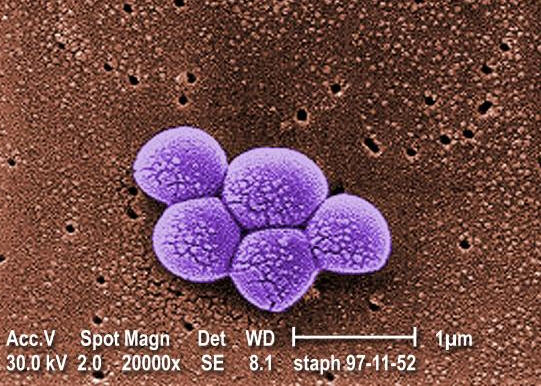
Methicillin-resistant Staphylococcus aureus (MRSA) is a highly resilient strain of staph bacteria. According to the US Centers for Disease Control and Prevention (CDC), MRSA is resistant to many common antibiotics, making it a significant public health challenge. If left unchecked, it can cause severe health complications, including bloodstream infections, pneumonia, and surgical site infections.
The Growing Need for MRSA Testing Services
Because of its resistance to standard treatments, preventing the spread of MRSA is a top priority for healthcare facilities, athletic centers, and public spaces. At Contract Laboratory, we frequently receive requests from companies seeking specialized microbiology laboratories for surface testing, antimicrobial efficacy testing, and pathogen analysis.
Rigorous laboratory testing is essential for several key industries, including:
- Chemical Formulators: Proving the efficacy of new sanitizers and disinfectants to ensure they meet regulatory label claims.
- Medical Device Manufacturers: Validating cleaning, disinfection, and sterilization instructions for reusable medical equipment.
- Textile Manufacturers: Testing antimicrobial fabrics used in hospital scrubs, linens, or athletic wear.
How is MRSA Detected in the Laboratory?
MRSA is primarily detected through meticulous laboratory culturing. Depending on whether the testing is clinical (patient diagnostics) or environmental (surface disinfection validation), laboratories utilize several gold-standard methods:
- Broth Microdilution Testing: A standard method to determine the minimum inhibitory concentration (MIC) of antimicrobials.
- CLSI Recommended Methods: The Clinical and Laboratory Standards Institute (CLSI) recommends alternatives, such as the cefoxitin disk screen test, the latex agglutination test for PBP2a, or utilizing a plate containing 6 μg/ml of oxacillin in Mueller-Hinton agar supplemented with 4% NaCl.
- Antimicrobial Efficacy Testing: For companies developing disinfectants, labs often use EPA or AOAC standardized methods to prove a product’s ability to eradicate MRSA on hard surfaces.
Outsource Your MRSA Research and Testing
Whether you are developing a new surface disinfectant, validating a medical device, or conducting clinical research, partnering with the right microbiology lab is critical. Ensure your testing is conducted by a laboratory with the appropriate accreditations, such as ISO 17025, GLP, or cGMP compliance, depending on your regulatory needs.
Does your company need a laboratory for MRSA Research, Development, or Efficacy Testing?
Submit a lab request on the Contract Laboratory platform and get connected with experts quickly!
This article was created with the assistance of Generative AI and has undergone editorial review before publishing.
Frequently Asked Questions about MRSA Testing
Traditional culture methods typically take 24 to 48 hours to yield results, though modern rapid diagnostic tests can detect the presence of MRSA in just a matter of hours.
Clinical testing involves analyzing patient samples (like blood or nasal swabs) to diagnose active infections. Environmental testing involves swabbing surfaces or testing disinfectants against MRSA strains to prove the product can successfully kill the bacteria.
Because MRSA is highly resistant to many standard chemical treatments, a disinfectant must be rigorously tested in a controlled laboratory setting to legally and safely claim it kills MRSA on its product label.
Updated on