
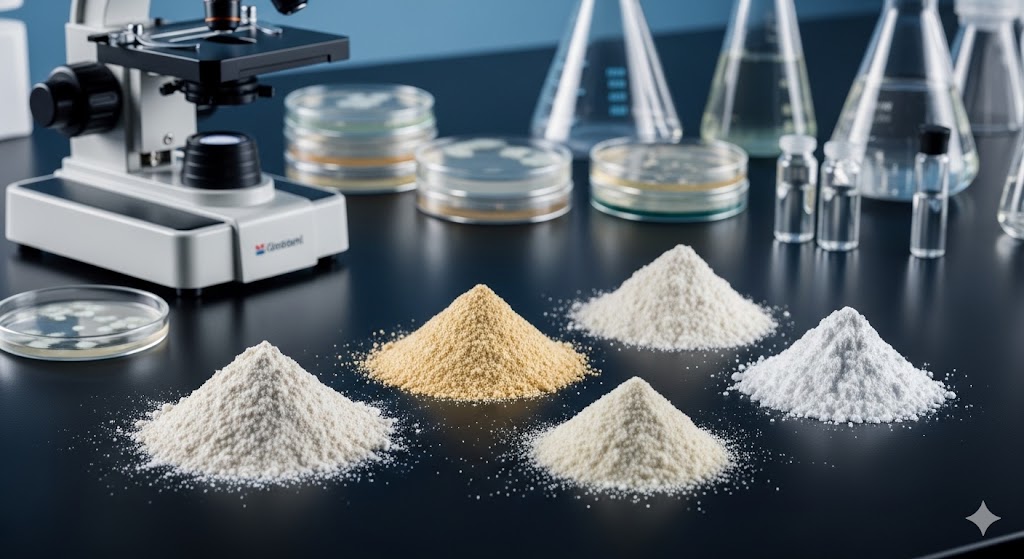
What is Cronobacter sakazakii and why are dry food manufacturers at risk?
Cronobacter sakazakii is a resilient, opportunistic pathogen that thrives in dry, low-moisture environments where other bacteria typically perish. While historically linked almost exclusively to infant formula, the FDA is rapidly widening its regulatory scope to include other powdered foods.
This regulatory shift means manufacturers of flour, starch, powdered milk, and protein supplements face heightened scrutiny and new safety mandates. Because the bacteria can lie dormant for extended periods in dry matrices, any powdered product with a long shelf life is now considered a potential vector for contamination.
Bronte Ushaglyan, Food Scientist and President of United Food Labs, explains why the industry needs to rethink its approach to this pathogen:

“People definitely think of baby formula first, but Cronobacter is tough—it can easily survive in all sorts of dry, low-moisture foods like powdered drinks, spices, and nutritional powders. Because it persists so well in these dry environments, basically any dry product with a long shelf life is at risk. While infections are rare, they can be devastating for vulnerable populations. That’s why anyone manufacturing dry foods absolutely has to step up their hygienic processing and start treating environmental monitoring and testing as non-negotiable.”
Where does Cronobacter hide in a dry manufacturing facility?
In a dry manufacturing facility, Cronobacter hides in hard-to-clean, low-moisture areas where powder, dust, and debris accumulate over time. These microscopic reservoirs allow the pathogen to survive for months, waiting to contaminate a fresh batch of product.
Standard “wet cleaning” protocols can actually make the problem worse if the equipment isn’t thoroughly dried afterward, as the introduction of moisture causes the dormant bacteria to bloom. Therefore, identifying and sanitizing hidden accumulation zones is critical for powdered food safety.
Ushaglyan highlights the specific “hiding spots” QA Managers need to target:
“Cronobacter is incredibly sneaky in dry facilities. It loves to hide in those hard-to-clean, low-moisture areas that might get missed during a routine sweep. We’re talking about floor drains, tiny cracks in the concrete, and especially inside silos, hoppers, or conveyor belts where powder naturally builds up. It will even cling to equipment joints, rubber gaskets, the undersides of your machinery, or just hang out in the dust on your walls and ceilings. Because it thrives when it’s dry, any spot that’s infrequently cleaned becomes a massive reservoir for the pathogen. You really have to get aggressive with targeted environmental monitoring and deep-clean those hidden spots to keep your finished product safe.”
How is Cronobacter sakazakii testing performed on powdered foods?
Cronobacter sakazakii testing is performed using highly sensitive molecular and cultural methods to detect trace amounts of the pathogen in large sample sizes. Because dry powders often suffer from uneven or “spotty” contamination, rigorous sampling plans and large composited samples are required.
To ensure accurate detection, laboratories must utilize specific enrichment broths designed to resuscitate stressed bacteria that have been dormant in dry powders.
| Testing Method | Application | Critical Insight |
|---|---|---|
| PCR (Polymerase Chain Reaction) | Rapid screening of raw materials and finished goods. | Delivers fast, highly accurate presence/absence results by detecting the pathogen’s specific DNA. |
| Environmental Swabbing | Dry environment monitoring of facility surfaces. | Uses specialized dry swabs or sponges to detect biofilms hidden in equipment joints and floor cracks. |
| Cultural Confirmation | Regulatory compliance and verification. | Traditional plating methods used to confirm presumptive positive PCR results, often required by the FDA. |
Why is third-party Cronobacter testing critical for dry food safety?
Third-party Cronobacter testing is critical because it provides objective, FDA-compliant validation of your sanitation and production processes. Relying solely on internal testing can create blind spots, especially when dealing with a pathogen that requires highly specialized swabbing and enrichment protocols.
An independent contract laboratory ensures your powdered food safety program holds up under regulatory scrutiny. This protects your brand from devastating recalls and provides consumers—especially vulnerable populations—with verified, unassailable safety data.
What is the final checklist for dry environment monitoring?
To ensure a secure dry food facility, QA Managers must implement a strict, proactive environmental monitoring program specifically tailored to low-moisture environments.
- [ ] Risk Mapping: Have you identified all high-risk powder accumulation zones, including hoppers, gaskets, and HVAC vents?
- [ ] Dry Cleaning Protocols: Are you strictly using vacuums, sweeping, and dry scraping instead of water to prevent bacterial bloom?
- [ ] Routine Swabbing: Do you have a documented dry environment monitoring schedule that targets floor cracks, drains, and the undersides of machinery?
- [ ] Independent Validation: Are you using a certified third-party lab for your Cronobacter sakazakii testing and finished product clearance?
The FDA is watching the powdered food sector closely. Don’t wait for a positive swab or a consumer illness to upgrade your protocols.
Do you need to implement rigorous environmental swabbing or test your finished powders for Cronobacter? Visit Contract Laboratory to find a qualified laboratory, or Submit a Testing Request to get competitive quotes for your Cronobacter sakazakii testing needs today.