Heavy Metals in Protein Powder: Benchmarks, Test Methods, and Lab Criteria
With no federal lead limit, brands rely on per-serving specs, ICP-MS methods, and qualified labs
Advertisement
With no federal lead limit, brands rely on per-serving specs, ICP-MS methods, and qualified labs
Advertisement
Regulators are watching: Ensure your cultivated meat is free from growth factor residues before it hits the shelves.

Jerky treats are a Salmonella magnet. Verify your 'Kill Step' efficiency without turning the product into cardboard.
Standard metal screens aren't sensitive enough for the FDA's new baby food standards. Do you have the right LOD (Limit of Detection?)
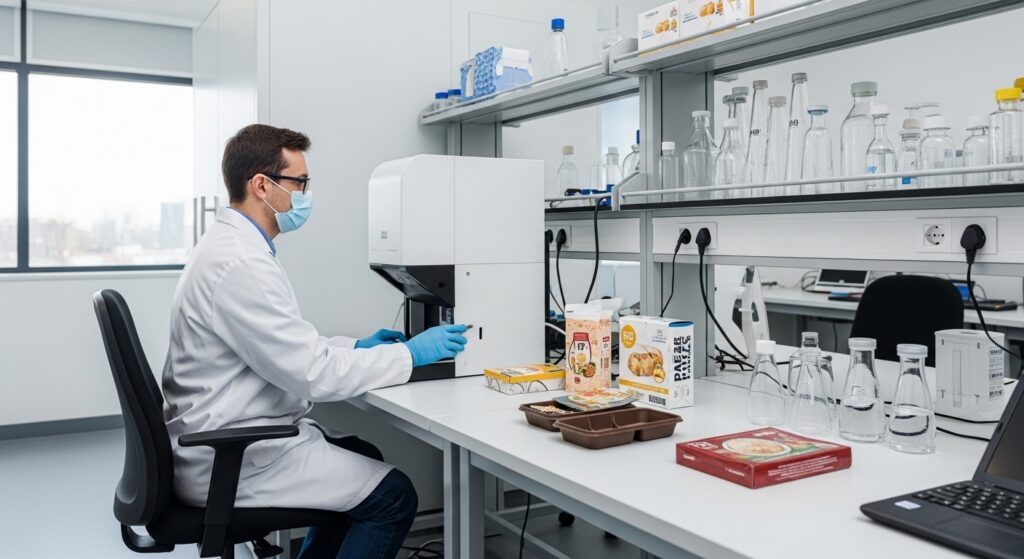
Relying on a "Certificate of Compliance" from a supplier is no longer enough to satisfy state regulators or vigilant consumer advocacy groups.

Fruits are an essential part of a healthy diet, but they can also be a vector for pesticide residues

Here's how your laboratory can adapt to stay relevant in the evolving food safety and testing industry

From hazard assessment to validation testing, understanding and maintaining OPRPs is critical for compliance and audit readiness in today’s food industry

Coatings, glazes, and enamels define product performance. Learn about essential enamel analysis, glass coating testing, and protocols to guarantee long-term surface durability
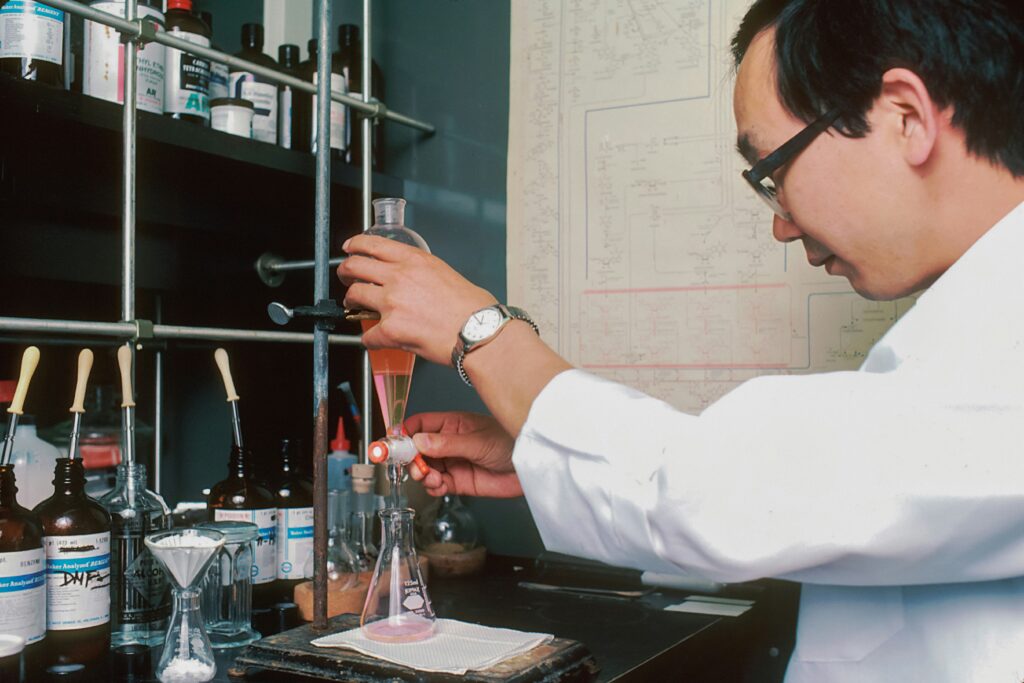
Global compliance depends on precise, reproducible chemistry testing built on accredited analytical methods
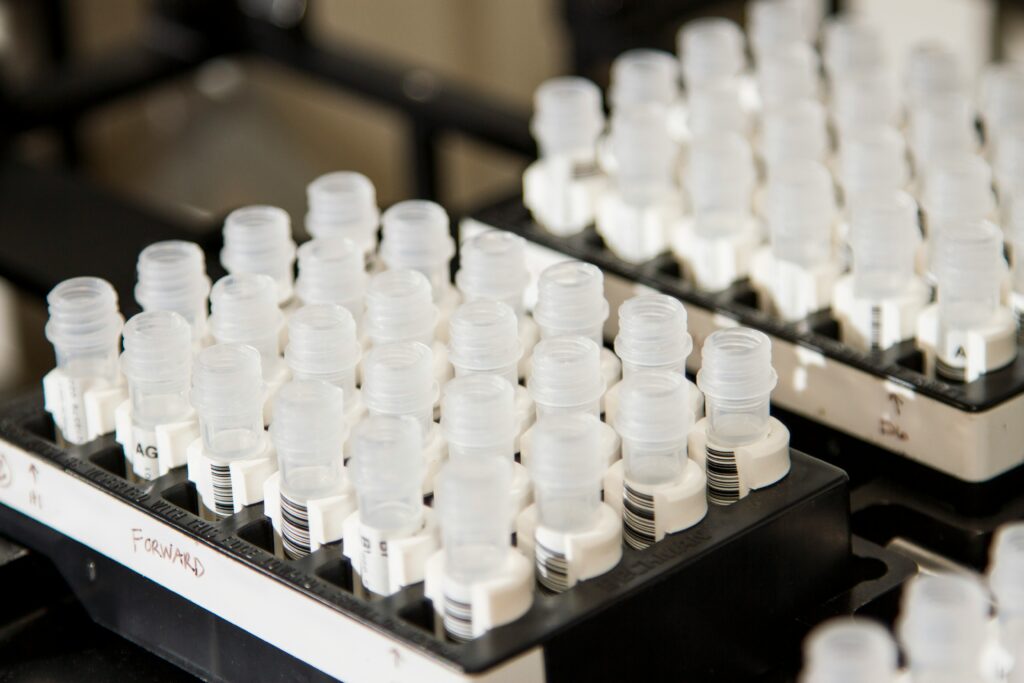
Is your lab prepared for the next wave of regulatory, technological, and client-driven changes?
Advertisement
Advertisement