Beyond Compliance: How the 2025 DGAs Drive New Testing Priorities
As guidelines shift, independent testing becomes the critical tool for substantiating claims and building consumer trust
Advertisement
As guidelines shift, independent testing becomes the critical tool for substantiating claims and building consumer trust

Advertisement

Learn how moisture content testing protects product quality in food, pharma, and agriculture. Explore all major methods, ASTM/ISO standards, and how to find a certified contract lab
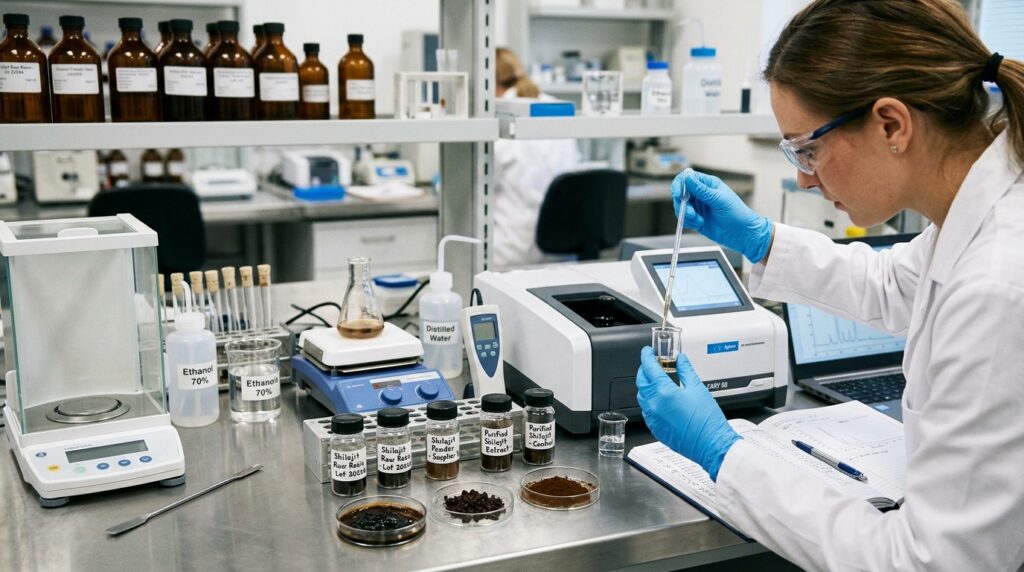
Discover the critical role of Shilajit purity testing in safeguarding consumer health, enhancing product credibility, and navigating global regulatory landscapes.
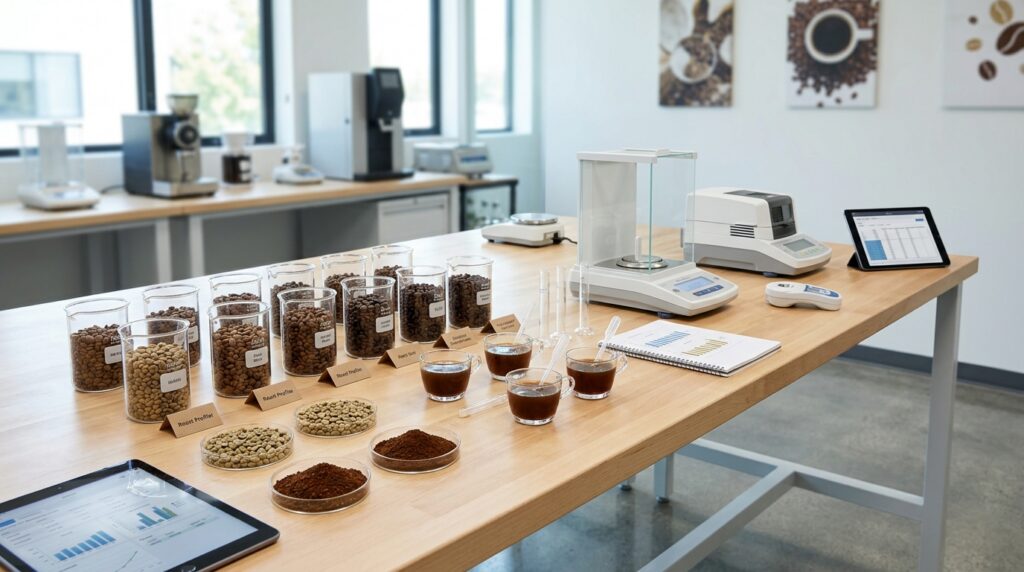
From farm to cup, rigorous coffee testing ensures every brew delivers on quality, flavor, and safety—protecting both consumer satisfaction and industry standards.
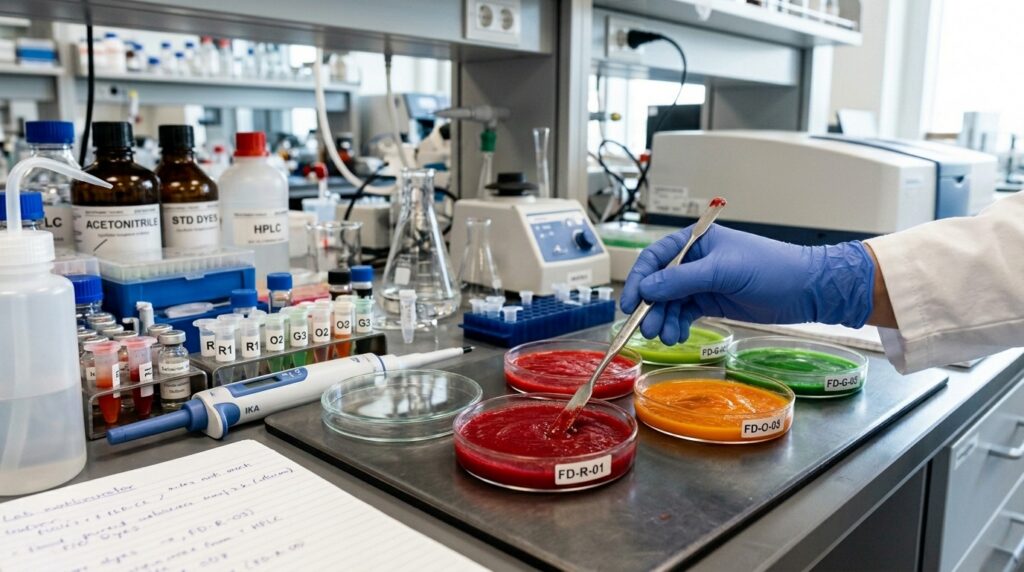
Food color testing ensures that products meet safety standards, maintain quality, and appeal to consumers.

Prevent costly recalls and verify product authenticity with rigorous edible oil testing. Explore the essential analytical methods used to detect lipid oxidation and trace contaminants
Ensure product safety and compliance with BPA testing in plastics, packaging, and consumer goods

A breakdown of the exact laboratory methods used to validate green materials and ethical sourcing
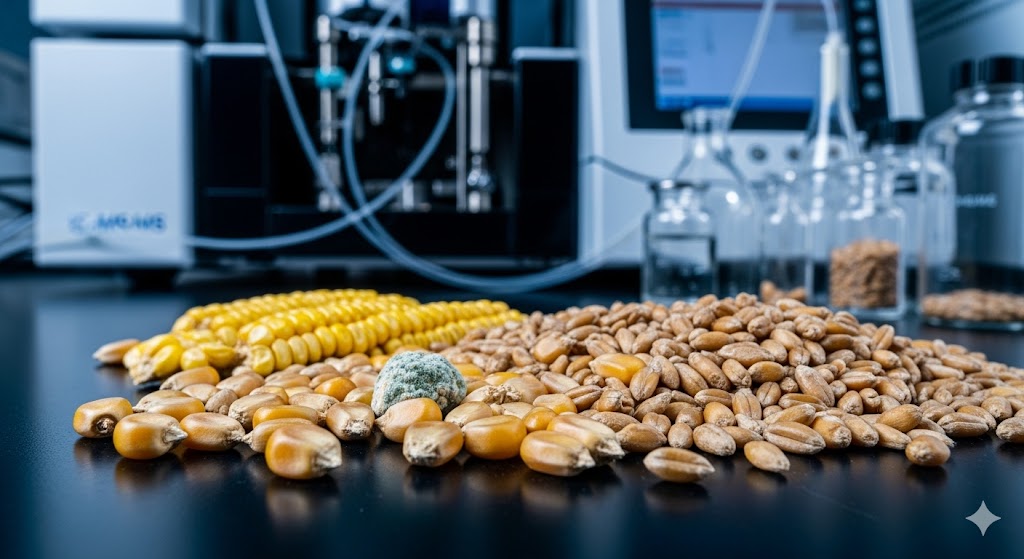
Climate change is moving mold maps. Why crops that were safe five years ago are suddenly failing quality checks—and how risk managers are adapting.
It survives where other pathogens perish. Why the FDA is expanding its watch beyond infant formula—and how dry food manufacturers can lock down their facilities against this microscopic survivor.
It eradicates the pathogens, but it might eradicate your brand. Why the "silent sterilizer" is triggering massive global recalls—and how importers can safeguard their supply chains.
Advertisement
Advertisement