

Whether analyzing clinical samples or conducting environmental PFAS testing, today’s third-party laboratories share the same operational bottlenecks. As global supply chains become more complex, testing, inspection, and calibration (TIC) providers across all industries are facing unified pressures. The mandate for machine-readable digital evidence, the surge in strategic contract outsourcing, and the push for smart lab automation are no longer niche trends—they are industry standards dictating operational survival.
Core Trends Affecting All Laboratories
1. Digital Evidence as Default
Certificates of Analysis (CoAs), validation records, and compliance documentation are shifting from static PDFs to structured, machine-readable formats. This enables regulators, auditors, and downstream partners to process results directly.
A lot is changing in consumer products, pharmaceuticals and biopharmaceuticals, environmental testing, metals and mining, food and beverage, medical devices, and cross-industry innovations.
If you are a third-party or contract testing lab, you need to know why the sector is shifting, the core trends reshaping test menus and methods, and the recent developments affecting operations, so you can take practical steps now to stay competitive.
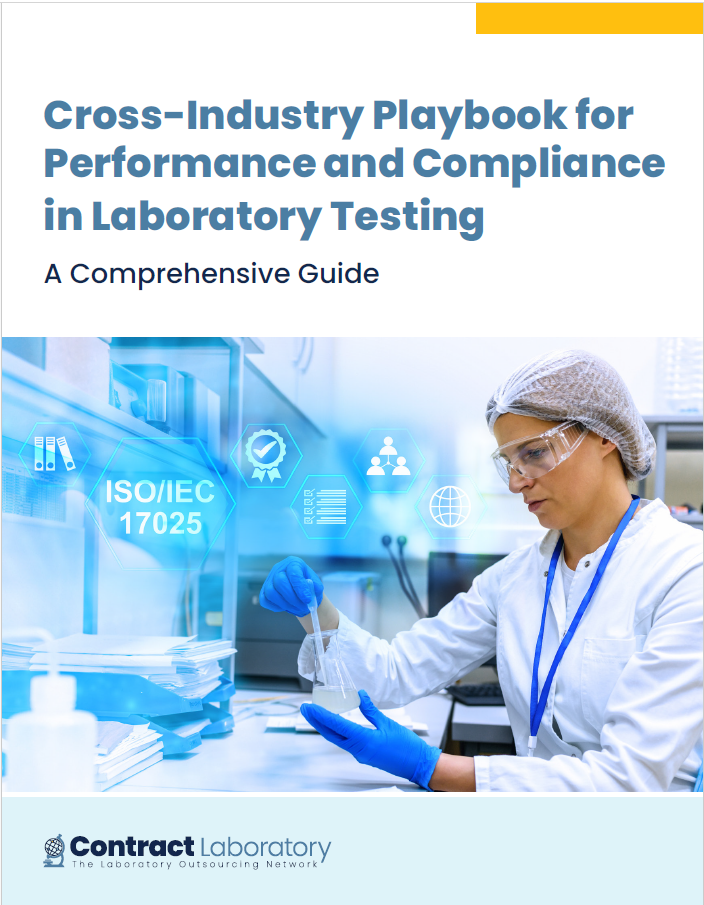
Get a sector-by-sector look at the trends shaping laboratory testing in 2025 and beyond. Download the cross-industry playbook for insights into digital readiness and sustainable lab practices.
2. Globalization and Outsourcing
Cross-border compliance and cost pressures are fueling growth in contract testing, CROs, and TIC providers. Specialized third-party labs are becoming strategic partners, particularly in highly regulated sectors.
3. Workforce and Skills
Staffing shortages remain acute across clinical, QC, and industrial labs. At the same time, demand is rising for cross-trained professionals skilled in bioinformatics, HRMS workflows, data governance, and automation oversight.
4. Smart Labs and Automation
Artificial intelligence (AI), robotics, and cloud-based systems are gradually transforming labs into integrated, automated ecosystems. Early adopters are using predictive analytics for equipment maintenance, automated QC workflows, and AI-enhanced data review.
Practical Steps to Turn into a Strategy
- Conduct digital readiness assessments to ensure LIMS/ELN systems can deliver machine-readable, auditable evidence.
- Evaluate outsourcing models, identifying areas where partnering with contract labs strengthens capabilities.
- Upskill the workforce in data-centric competencies, including cybersecurity and digital compliance.
- Pilot smart lab technologies such as AI-driven QC or robotic automation to build long-term capacity.
The future of laboratory testing is digital, interconnected, and globally harmonized. Labs that invest in digital evidence systems, expand outsourcing partnerships, and build a skilled, resilient workforce will be best positioned to thrive across all testing sectors. Identifying the need for digital readiness and better outsourcing models is step one. Step two is execution.
Get the actionable frameworks, cross-industry case studies, and compliance checklists you need by downloading our free eBook.
Need an immediate testing solution?
Whether you need environmental PFAS analysis or clinical diagnostics, Contract Laboratory connects you with the right partner fast. Get a quote for your testing needs here.
This article was created with the assistance of Generative AI and has undergone editorial review before publishing.