
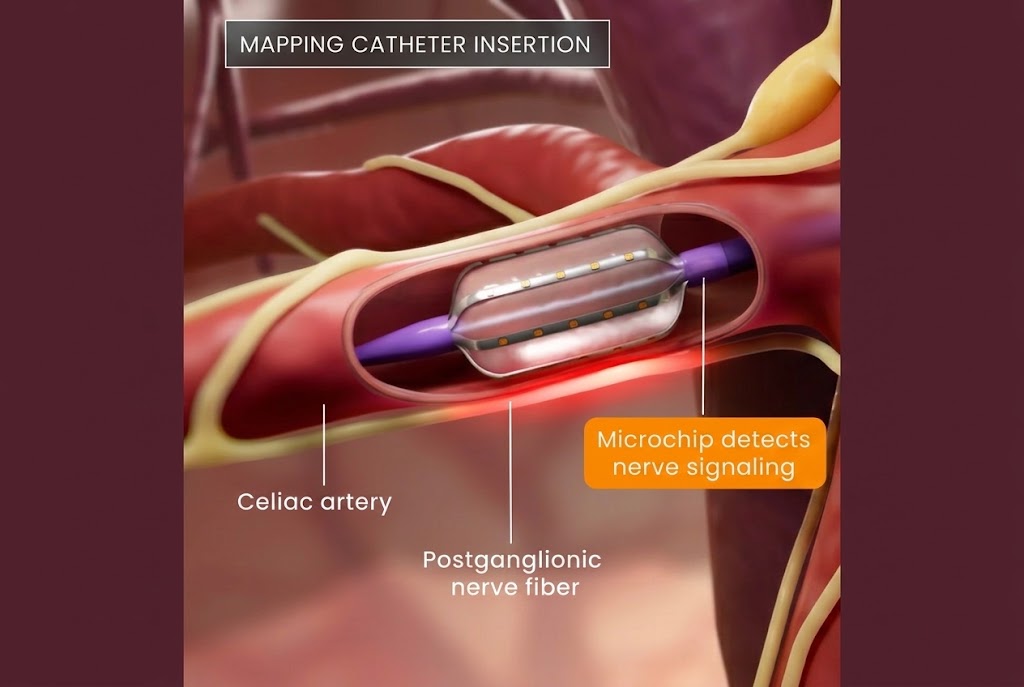
Autonomix Medical announced the successful completion of its GLP preclinical study evaluating the safety and performance of its catheter-based neural sensing platform. Conducted across multiple anatomical targets in porcine models, the final histopathology and laboratory analyses confirmed the positive safety and performance outcomes previously reported by the company. This completed nonclinical safety package advances the platform’s Investigational Device Exemption (IDE) timeline.
Key Insight: Under 21 CFR Part 58, nonclinical laboratory studies submitted in support of an IDE must include a statement of GLP compliance or a documented explanation of any deviations. FDA’s IDE guidance explicitly requires this declaration as part of the prior investigations report. This announcement marks the completion of a data package targeting that requirement, and warrants review by contract testing laboratories supporting early-stage medical device sponsors on the same pre-submission pathway.
How Autonomix’s Histopathology Data Supports IDE Regulatory Package
Autonomix built this GLP study to produce a data package that FDA reviewers can trace, reconstruct, and audit. Post-procedure histopathological evaluation by a board-certified veterinary pathologist and laboratory assessments were critical endpoints to characterize tissue effects, necrosis extent, inflammatory response, healing trajectory, and overall safety. Swine cardiovascular anatomy suits catheter-based device studies because vessel size and tissue response more closely approximate human anatomy than rodent models at the system level.
| GLP Study Component | 21 CFR Part 58 Requirement | Contract Lab Implication |
| Study Director Designation | Single point of control; overall responsibility for conduct, interpretation, and reporting of results (§58.33) | Lab must confirm study director authority before study initiation; cannot be delegated |
| QAU Inspections | Inspections at intervals adequate to assure study integrity; each inspection documented with findings (§58.35) | Requires organizational independence from study team; inspection records available to the FDA |
| Written and Approved Protocol | Approved written protocol signed by study director before initiation; all amendments documented and signed (§58.120) | Protocol amendments require written authorization; retroactive changes not permitted |
| Post-Procedure Histopathology | Tissue collection, processing, and evaluation documented in final report (§58.185) | GLP-compliant fixation, sectioning, and pathologist sign-off required; chain of custody maintained |
| Final Report | Signed and dated by study director; includes QAU statement specifying inspection dates and findings (§58.185) | All raw data, including instrument printouts and pathology worksheets, archived in retrievable format |
Brad Hauser, chief executive officer of Autonomix Medical, states: “The final pathology and laboratory findings reinforce the positive safety and performance profile we have observed throughout the study and provide important validation of our platform. This milestone reflects the continued execution of our development roadmap and represents an important step as we prepare for our submission to the FDA.”
21 CFR Part 58 Requirements for Contract Laboratories
A GLP deviation that compromises data integrity gives FDA grounds to reject the study outright, not request revisions. Any nonclinical data submitted in the IDE’s report of prior investigations must carry a 21 CFR Part 58 compliance statement under §812.27, and a rejection means repeating the full program before the submission can proceed.
Medical device GLP studies differ from pharmaceutical programs in ways that standard ISO/IEC 17025 accreditation does not cover. The test article is a physical device, procedural feasibility is a study endpoint, and the anatomical model requires protocol-level justification relative to the intended clinical use. Labs supporting IDE-track programs must be prepared in the following areas:
- Study Director Authority: Non-delegable, single-point-of-control responsibility for conduct, interpretation, and reporting.
- QAU Independence: Organisationally separate from the study team, with documented inspections at adequate intervals.
- Histopathology Chain of Custody: Documented SOPs from tissue collection through pathologist sign-off. A break in the chain invalidates the endpoint.
- Multi-Client Data Segregation: Written procedures for physical and data separation between concurrent sponsor studies; inadequate segregation is a systemic BIMO deviation.
- Archive Integrity: All raw data retrievable and reconstructable; electronic records compliant with 21 CFR Part 11.
Contributing labs must define their scope in the protocol before data generation. Labs that have not done so cannot be added to the compliance package retroactively, and those that resolve these gaps early will be best positioned to support device sponsors advancing toward FDA IDE filings.
Why GLP Compliance Is a Critical Milestone for IDE-Track Device Submissions
Autonomix Medical‘s completed study illustrates how GLP testing functions as a defined, auditable compliance milestone rather than a general quality standard, and that distinction shapes what contract labs must demonstrate before taking on IDE-track work. The facilities that meet that standard now will be the ones sponsors call on as this category of device programs continues to move through pre-submission development.
This article has been sourced from a press release here and may include content created or refined.
This article was created with the assistance of Generative AI and has undergone editorial review before publishing.