
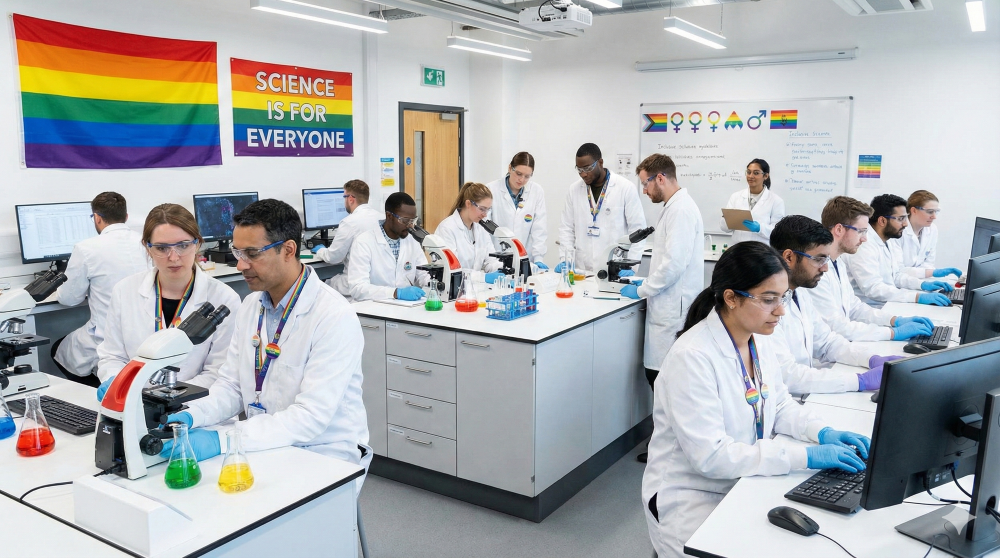
Cultivating an LGBTQ+ Inclusive Laboratory Workspace
Creating an inclusive and supportive workplace is essential for fostering innovation and ensuring the well-being of all employees. In laboratory settings—where collaboration, psychological safety, and precision are paramount—building an LGBTQ+ friendly environment significantly enhances productivity, retention, and overall job satisfaction. Diverse teams drive better science.
This article outlines best practices for creating accessible, affirming laboratory workspaces and highlights case studies of organizations that have successfully implemented these changes.
Best Practices for LGBTQ+ Friendly Labs
1. Implement Comprehensive Non-Discrimination Policies
- Be Explicit: Establish clear, written policies that explicitly prohibit discrimination and harassment based on sexual orientation, gender identity, and gender expression.
- Ensure Accountability: Communicate these policies effectively to all employees during onboarding and ensure they are enforced consistently from the top down.
2. Provide Gender-Neutral Facilities
- Update Infrastructure: Offer gender-neutral restrooms, locker rooms, and changing facilities to accommodate the needs of all employees, including those who are transgender or non-binary.
- Prioritize Accessibility: Ensure that these facilities are easily accessible, clearly marked, and held to the same standard of cleanliness and maintenance as all other facilities.
3. Optimize Inclusive Systems and Communication
- Update Internal Systems: Modernize HR platforms, employee directories, and intake forms to include options for chosen names, pronouns, and, where relevant, gender identity and sexual orientation.
- Everyday Visibility: Encourage the optional use of pronouns in email signatures, on lab directories, and even embroidered on lab coats or printed on ID badges to ensure respectful and accurate communication.
4. Conduct Continuous Training and Education
- Go Beyond Compliance: Implement regular, engaging training sessions for all staff on LGBTQ+ issues, focusing on the importance of allyship, unconscious bias, and mutual respect.
- Address Unique Needs: Include modules that touch on the specific workplace and well-being needs of LGBTQ+ individuals in STEM fields.
5. Support LGBTQ+ Employee Resource Groups (ERGs)
- Encourage Community: Champion the formation of LGBTQ+ ERGs to provide a safe space for support, networking, and advocacy among staff.
- Provide Real Backing: Allocate actual resources—such as a dedicated budget, leadership sponsorship, and meeting time—to help these groups thrive and enact meaningful change.
6. Foster a Visibly Inclusive Culture
- Lead by Example: Promote a culture of belonging through visible leadership support and the consistent use of inclusive language.
- Show Visual Solidarity: Incorporate visible signs of support within the lab, such as Pride flags or safe space stickers, which signal a welcoming environment to staff and visitors alike.
- Celebrate Milestones: Acknowledge and celebrate LGBTQ+ events, such as Pride Month or STEM Pride, to show active solidarity and appreciation for your LGBTQ+ colleagues.
Case Studies: Brands Focused on Creating LGBTQ+ Friendly Laboratory Workspaces

1. Pfizer: Pfizer has been recognized for its commitment to diversity and inclusion, particularly for its support of LGBTQ+ employees. The company has implemented comprehensive non-discrimination policies and offers gender-neutral facilities across its campuses. Pfizer provides health benefits that cover gender-affirming care and has established an active LGBTQ+ ERG known as OPEN (Out Pfizer Employee Network). This group organizes events, provides mentorship, and advocates for inclusive policies within the company, creating a supportive environment for all employees.

2. Amgen: Amgen, a global biotechnology company, has made significant strides in creating an inclusive workplace for LGBTQ+ employees. The company has updated its data collection processes to include options for gender identity and chosen names, ensuring that all employees are respected and recognized for who they are. Amgen also offers comprehensive training programs on LGBTQ+ inclusivity and has a vibrant LGBTQ+ ERG, the PRIDE Alliance. This group works to foster an inclusive workplace by organizing events, providing support, and advocating for policies that support LGBTQ+ employees.

3. Gilead Sciences: Gilead Sciences has been a leader in promoting diversity and inclusion within its laboratories. The company has implemented gender-neutral restrooms and changing facilities as part of its commitment to creating an inclusive environment. Additionally, Gilead offers training programs focused on LGBTQ+ issues and has established policies that explicitly protect against discrimination based on sexual orientation and gender identity. These efforts have helped to create a welcoming and supportive environment for LGBTQ+ employees and researchers.
In Summary
Creating LGBTQ+ friendly laboratory workspaces is essential for fostering innovation, enhancing productivity, and ensuring the well-being of all employees. By implementing comprehensive non-discrimination policies, providing gender-neutral facilities, updating data collection processes, conducting training programs, supporting ERGs, and fostering an inclusive culture, laboratories can create environments where all employees feel valued and respected. The case studies of Pfizer, Amgen, and Gilead Sciences illustrate the positive impact of these practices and serve as models for other organizations looking to enhance their inclusivity efforts.
References
- Pfizer. (2023). Diversity and Inclusion at Pfizer.
- Amgen. (2023). PRIDE Alliance at Amgen.
- Gilead Sciences. (2022). Our Commitment to Diversity and Inclusion.
These references provide detailed insights into the best practices and successful implementation of LGBTQ+ friendly policies and practices in laboratory settings.